
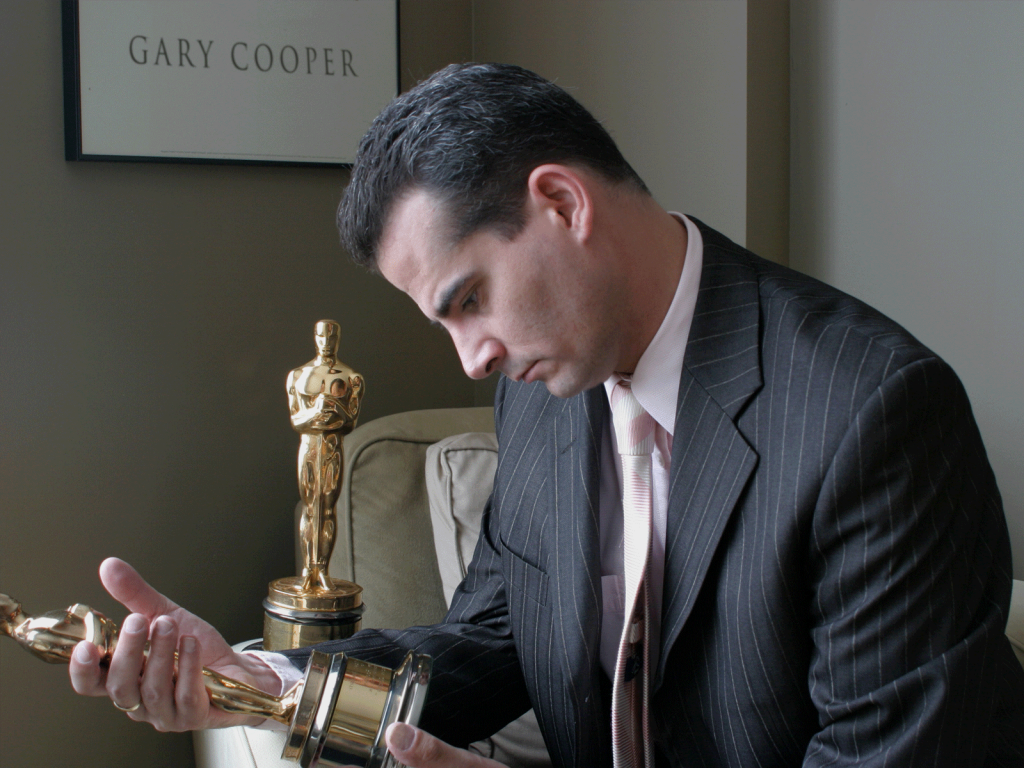
For more than three decades, Richard Zampella has worked toward a singular aim: to honor both the history and future of Idylease, the place where he grew up in Newfoundland, New Jersey. In keeping with the wishes of his father, Dr. Arthur Zampella, the property and its historic structure are now under his stewardship.
Richard’s childhood was spent on the grounds of Idylease, where his father owned and operated Idylease Nursing Home from 1954 to 1972. It was a life shaped by place—by the building, the land, and the continuity of work carried out within it.
Father and son shared a deep regard for the history of the property, each maintaining a careful collection of ephemera and memorabilia tied to Idylease. This site was drawn from that collection following Richard’s acquisition of the property in April 2016.
The Newfoundland section of West Milford holds a layered history—from early ironworking and ice harvesting to farming and the resort era of the early twentieth century. Of the many hotels that once defined that period, only one remains: Idylease, standing as a rare and enduring example of that time.
Much of this history is no longer widely known. For some, it has faded; for others, it was never fully seen.
This site exists as a record and an invitation—offering a way to rediscover the history of the area, and perhaps to see Idylease with a clearer understanding of what has been carried forward.
About Richard Zampella
Richard Zampella is a producer and editor whose work spans film, television, and place-based storytelling. As Managing Partner of Transmultimedia Entertainment, he has produced and edited a series of documentary films exploring American cultural history.
His collaborations with writer and director John Mulholland include Elmore Leonard: But Don’t Try to Write (PBS, 2023), as well as Cooper & Hemingway: The True Gen, narrated by Sam Waterston and selected as a New York Times Critics’ Pick. Earlier projects include Sergeant York: Of God & Country (narrated by Liam Neeson) and Inside High Noon (narrated by Matthew Rhys).
Across mediums, his work reflects a consistent focus: shaping how stories are experienced—whether through film, or through the careful stewardship of place.