The Highlands
Native homeland • iron • settlement • transportation
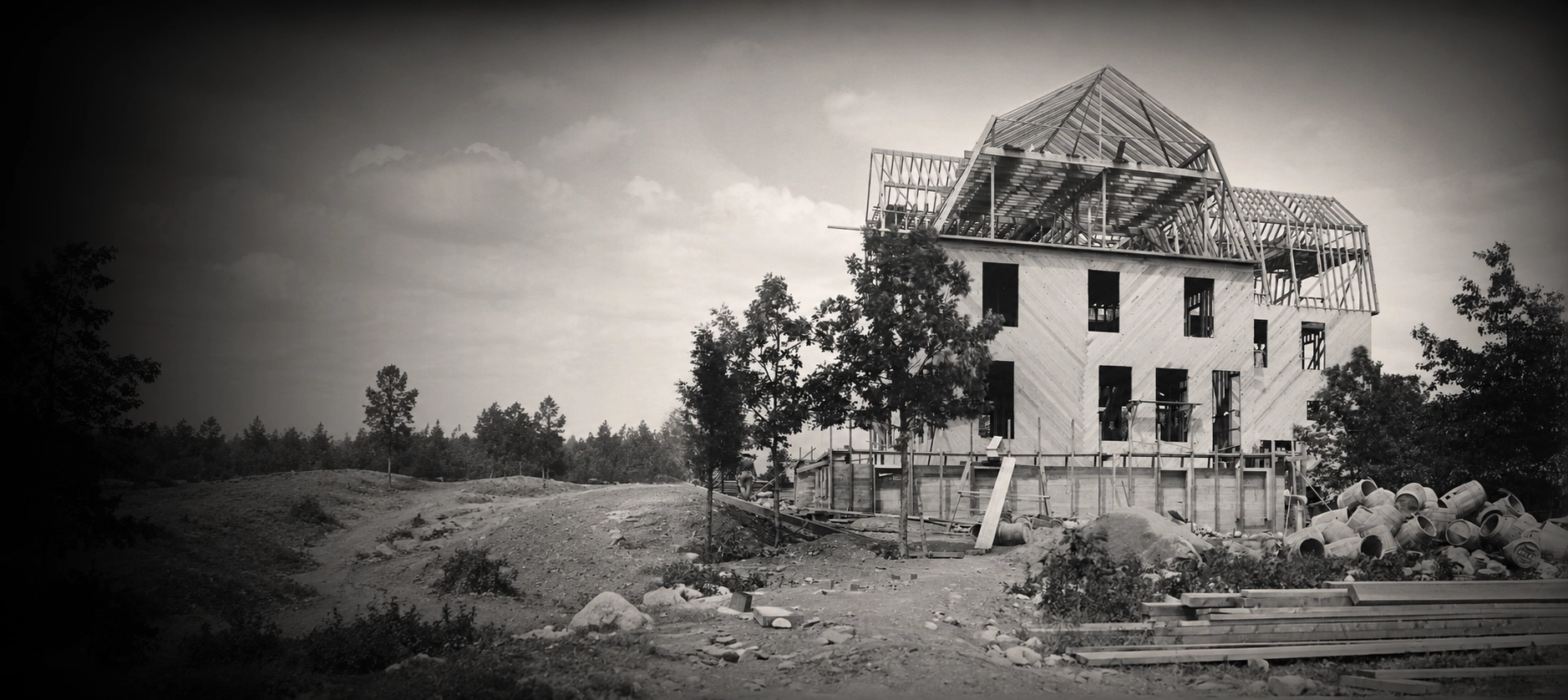

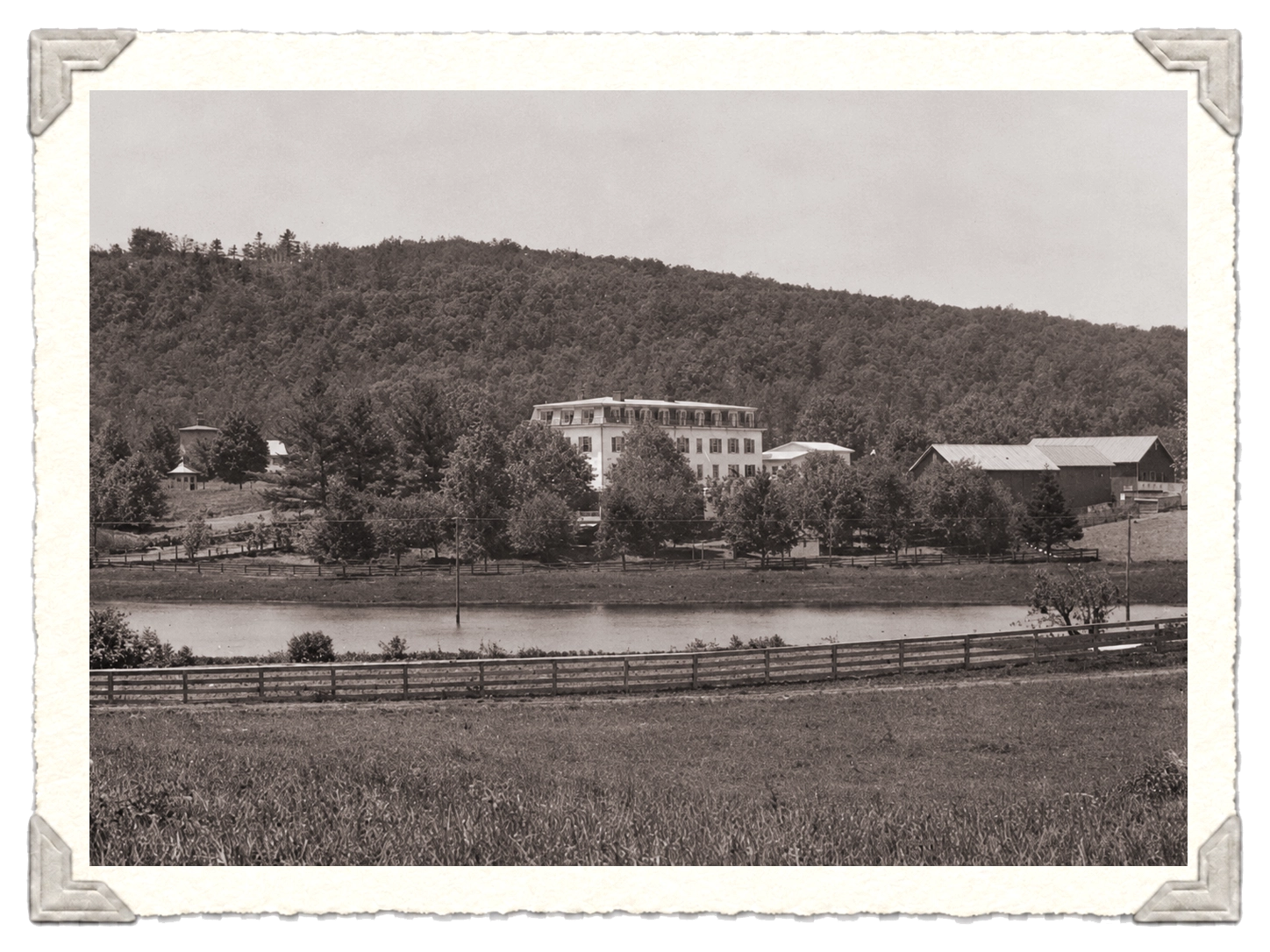
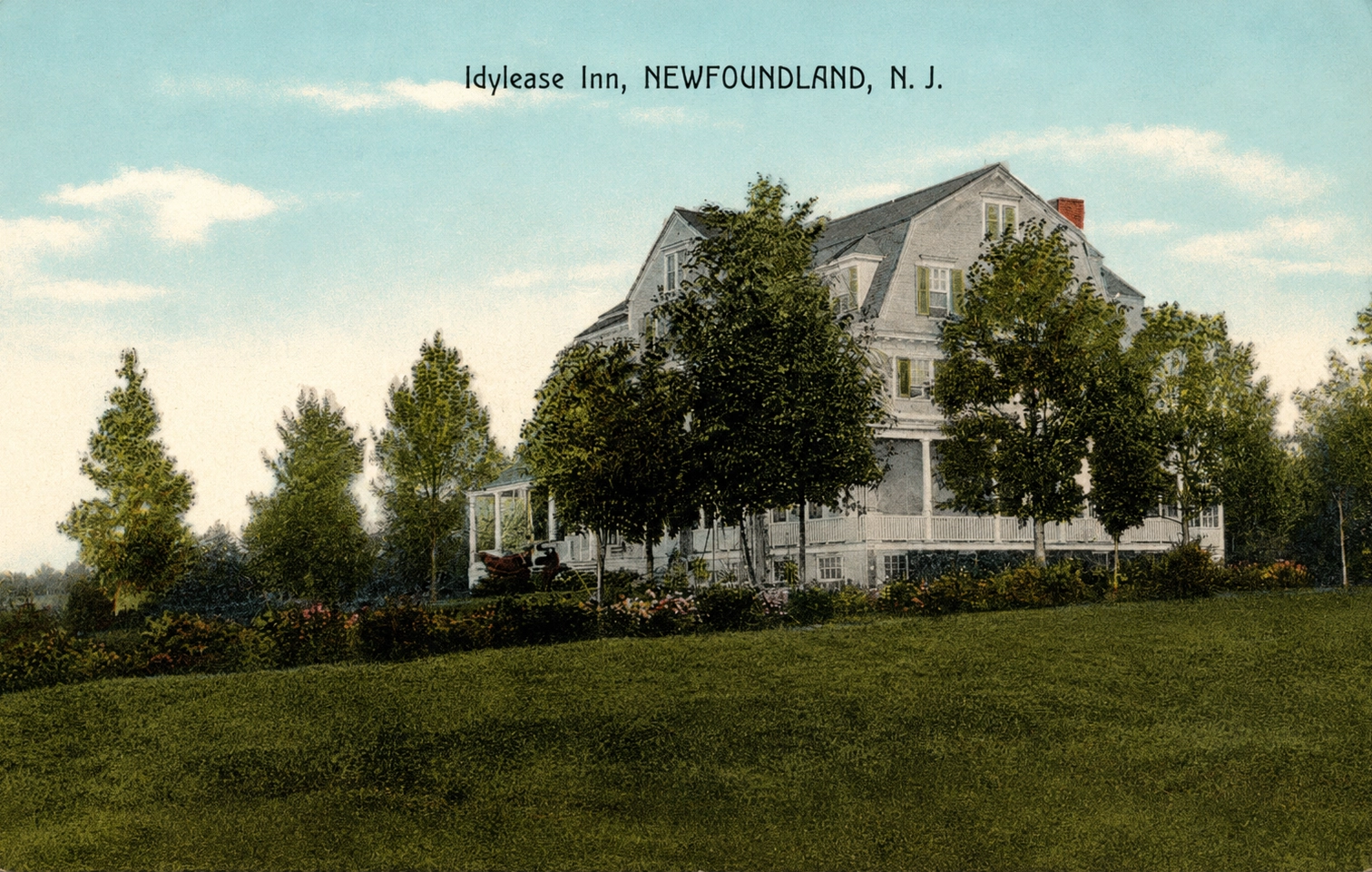
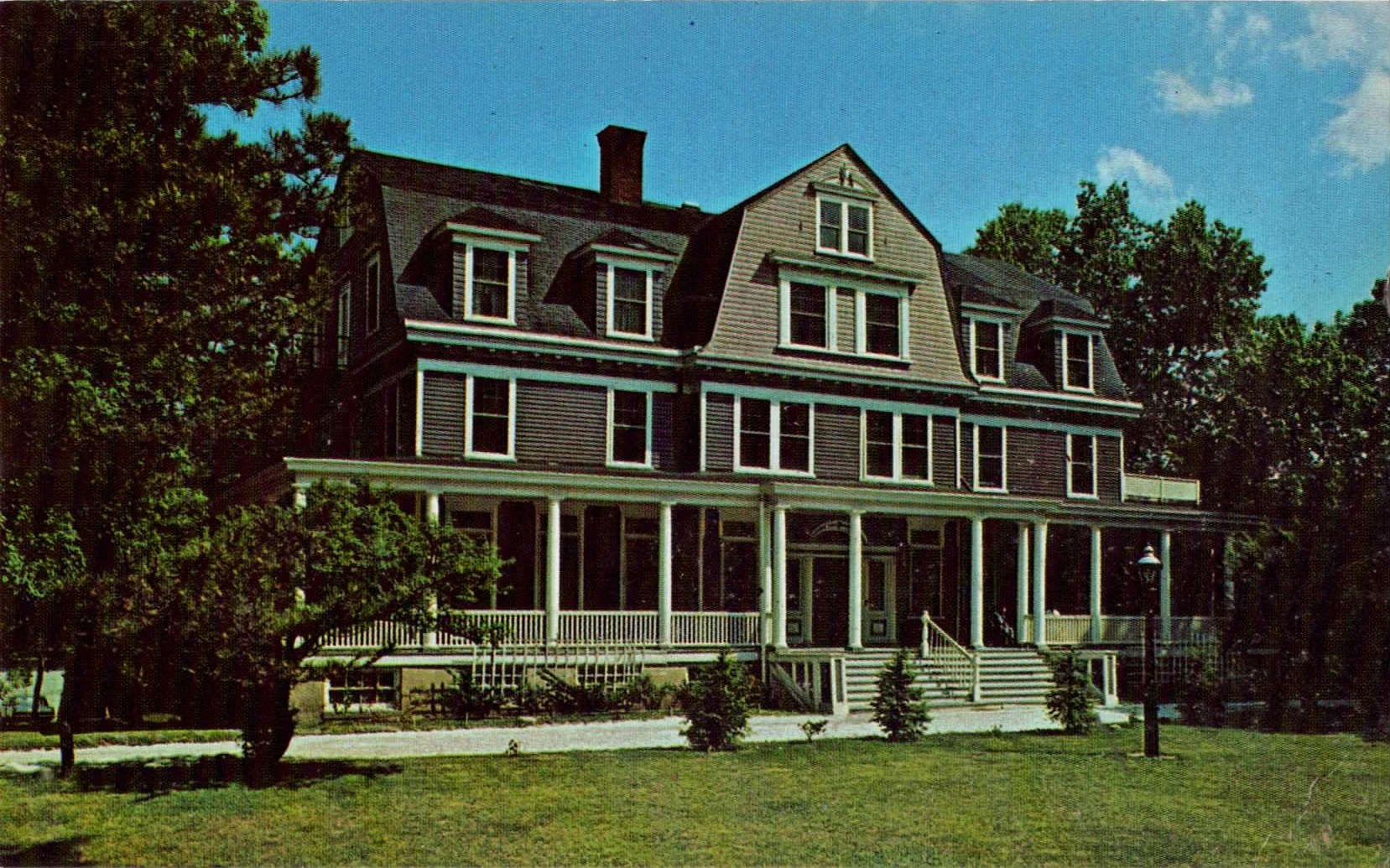
Hidden in the forests of the New Jersey Highlands stands a building that has quietly witnessed more than a century of American life.
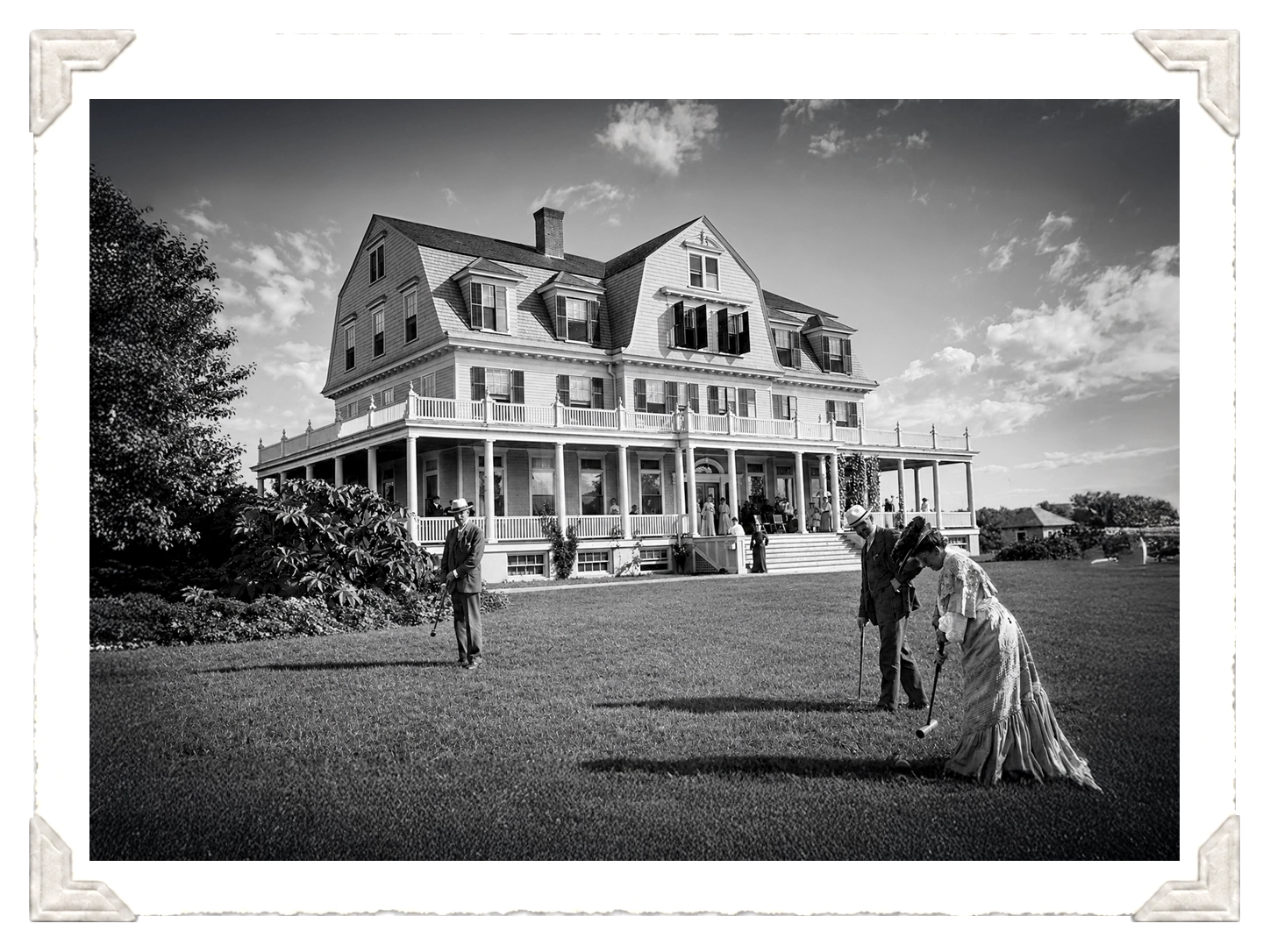

From its earliest days, Idylease was known for clean mountain air, natural springs, and the restorative calm of the Highlands.
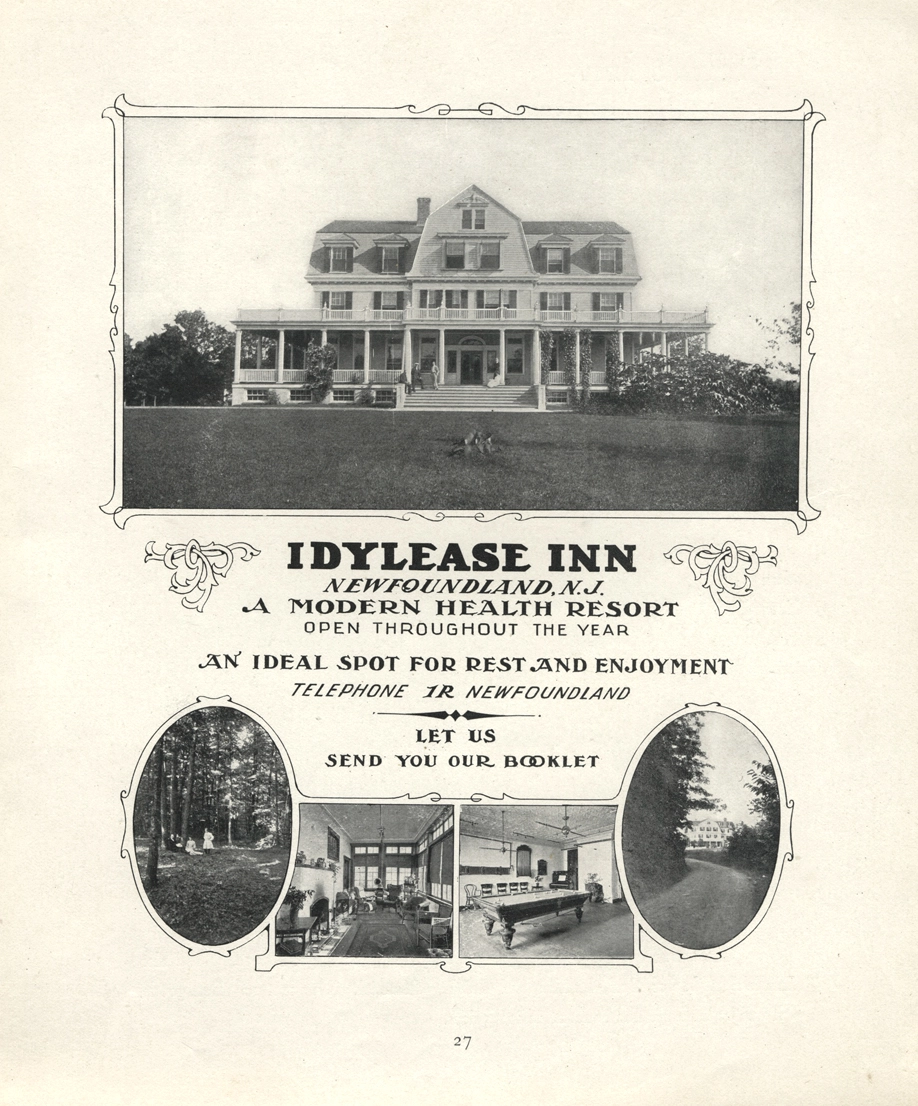
Idylease was conceived as a retreat where mountain air and a different rhythm of life could restore what the modern world had taken away.
It was not conceived as a conventional hotel. The idea had begun in 1902, when a group of investors formed the Newfoundland Health Association under the direction of Dr. Edgar Day. Day believed that fresh air, regular meals, rest, exercise, and treatments such as hydrotherapy and Swedish baths could help restore both body and mind. Many who came believed that the mountain air itself was part of the cure.
Set high on the hillside, Idylease stood above the surrounding valley. Its broad porches allowed guests to sit outdoors for hours at a time. The trees were still young, the land recently cleared, and the house stood open to light and summer breezes. It was designed not only to accommodate guests, but to change the way they lived while they were there.
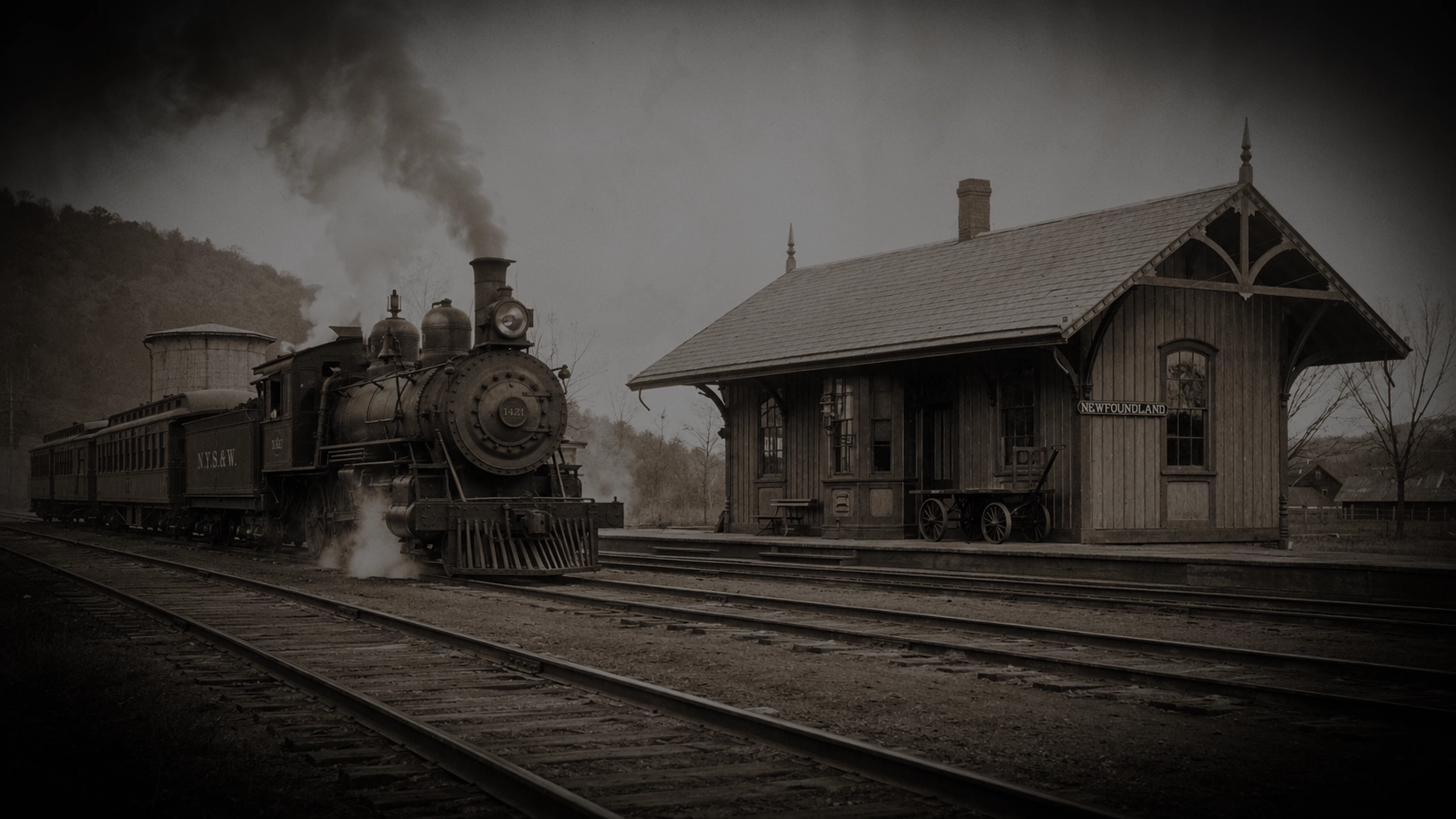
Guests arrived by train at Newfoundland, where a horse-drawn carriage met them for the climb into the hills—twenty-five cents per passenger and five cents per bag.
Dr. Edgar Day did not live long to see what Idylease would become. He died in 1906, only a few years after the doors opened. In time, Idylease passed to Dr. Daniel Edgar Drake. Under Drake, its purpose would begin to change again as the landmark adapted to the needs of a changing world.
Evolution Over Time
Since opening in 1903, Idylease has been reshaped by changing ideas about health, medicine, aging, and preservation. The timeline below traces the people and turning points that changed how the landmark was used and helped it endure across successive eras.
The Browns of Newfoundland
By the nineteenth century, the Brown family had become an important part of life in Newfoundland, but their connection to the area reached back to the Revolutionary era.
During the British occupation of New York City, Peter Brown fled north, following the Passaic River and then the Pequannock River into the mountains. When he reached Newfoundland, he decided to remain and established the hostelry that would become Brown’s Inn.
Brown was granted 1,000 acres by an act of the Continental Congress. A portion of that original tract became part of the land later acquired for Idylease, a designation that remains recorded in the present deed.
An English traveler who stayed at Brown’s Inn in 1819 wrote of spending the evening with his landlord, who entertained him with stories of General George Washington, with whom he had been personally acquainted.
John P. Brown continued the family tradition, operating Brown’s Hotel. By the turn of the twentieth century, approximately 112 acres of Brown family land would be acquired by Dr. Edgar Day for the construction of Idylease.
John P. Brown initiated stagecoach service in 1857, connecting Newfoundland with the surrounding region.
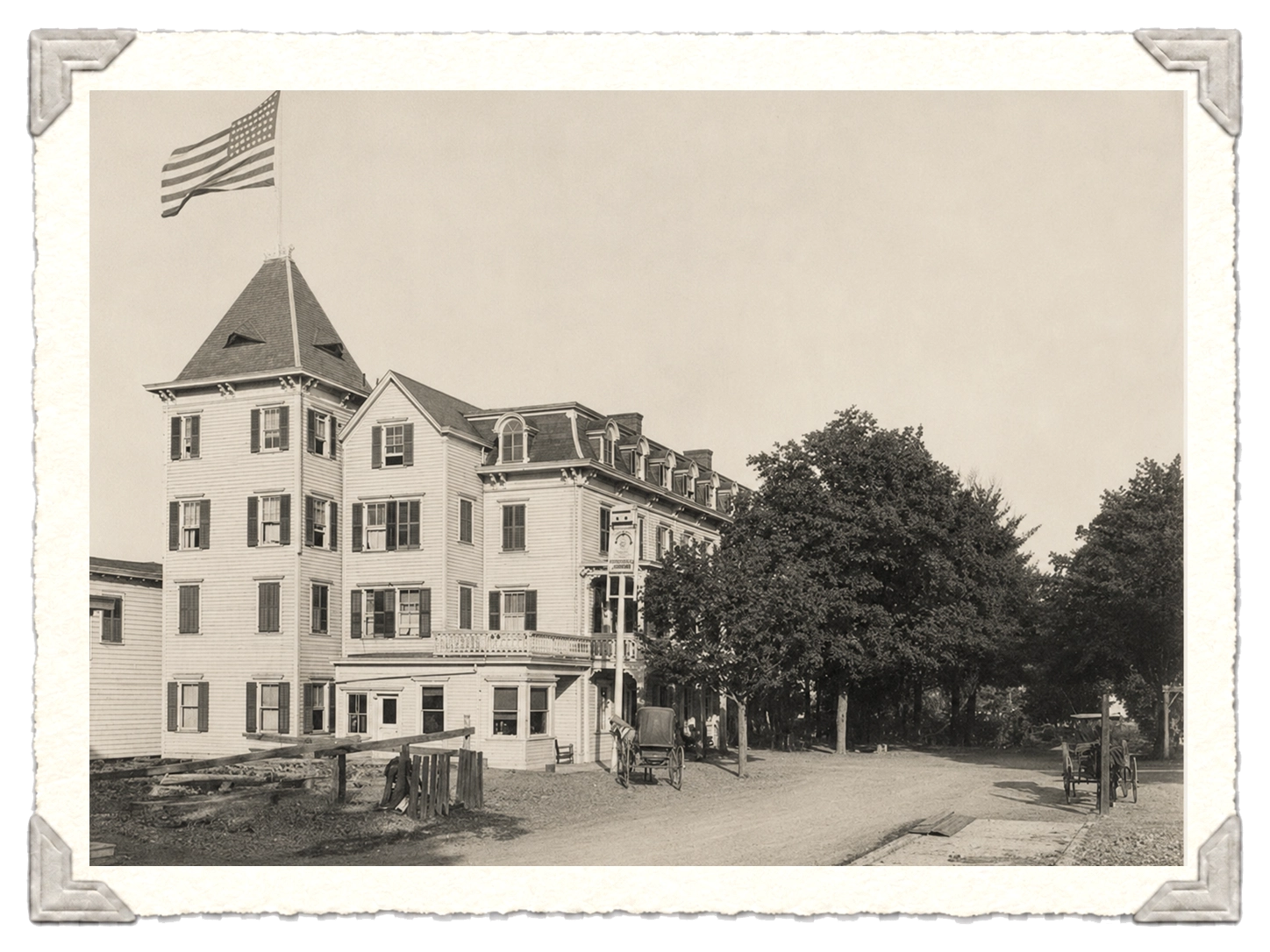
Before Idylease, the Brown family shaped this ground through hospitality, land, and transportation. Brown’s Inn and the surrounding property formed part of the landscape from which the landmark would later emerge.

From Road to Rail
The Stagecoach Made Newfoundland Reachable.
The Railroad Made it a Destination.
A Traveler Arrives in Newfoundland
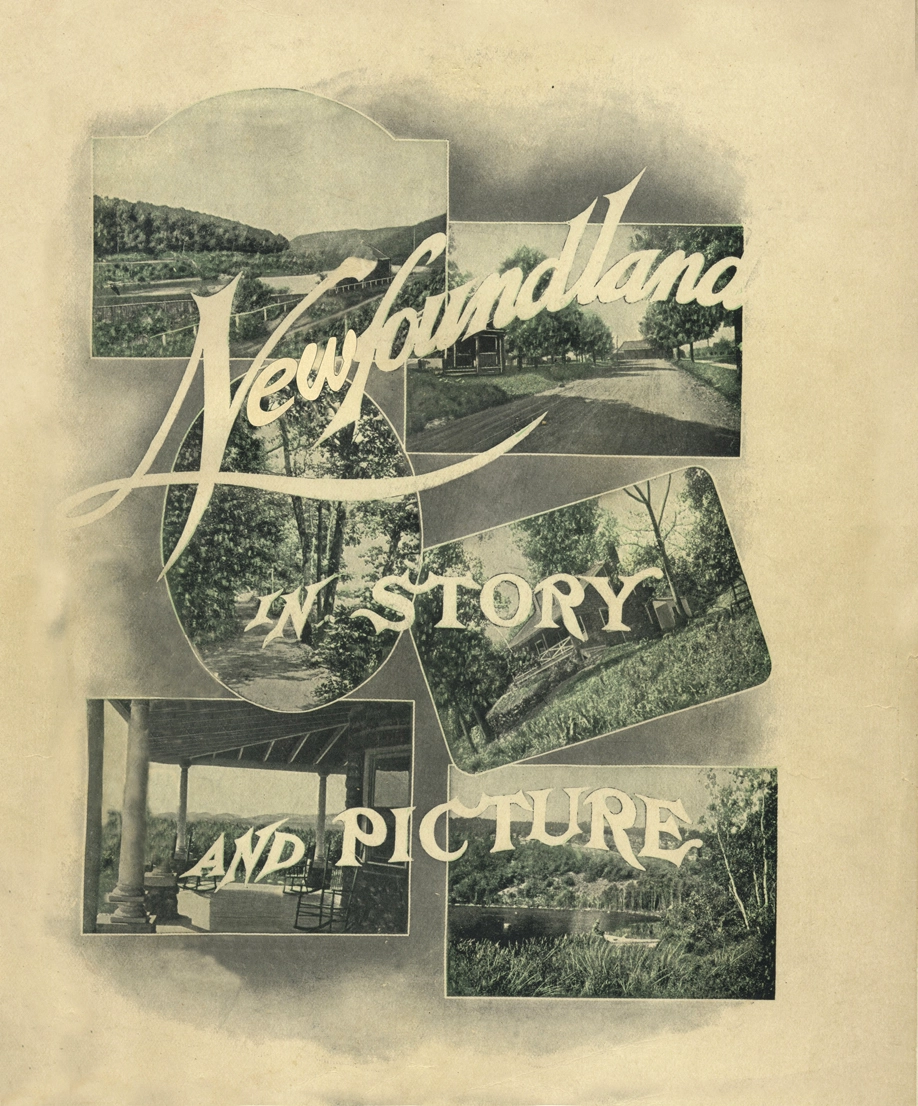
An English traveler, E. Hewitt, recorded his visit to Brown’s Inn in 1819. His account offers a rare glimpse of the journey, the wilderness, and the people who shaped Newfoundland in its earliest years.
“This afternoon, completely drenched with rain, we staid at a tavern newly erected, called Newfoundland. Here we procured a small private room and a good fire, dried our clothes, and got tea very comfortably. Our landlord, a very intelligent man, spent the evening with us, and related several interesting anecdotes of General Washington, with whom he was personally acquainted.”— E. Hewitt, 1819 Newfoundland in Story and PictureView the historic book →
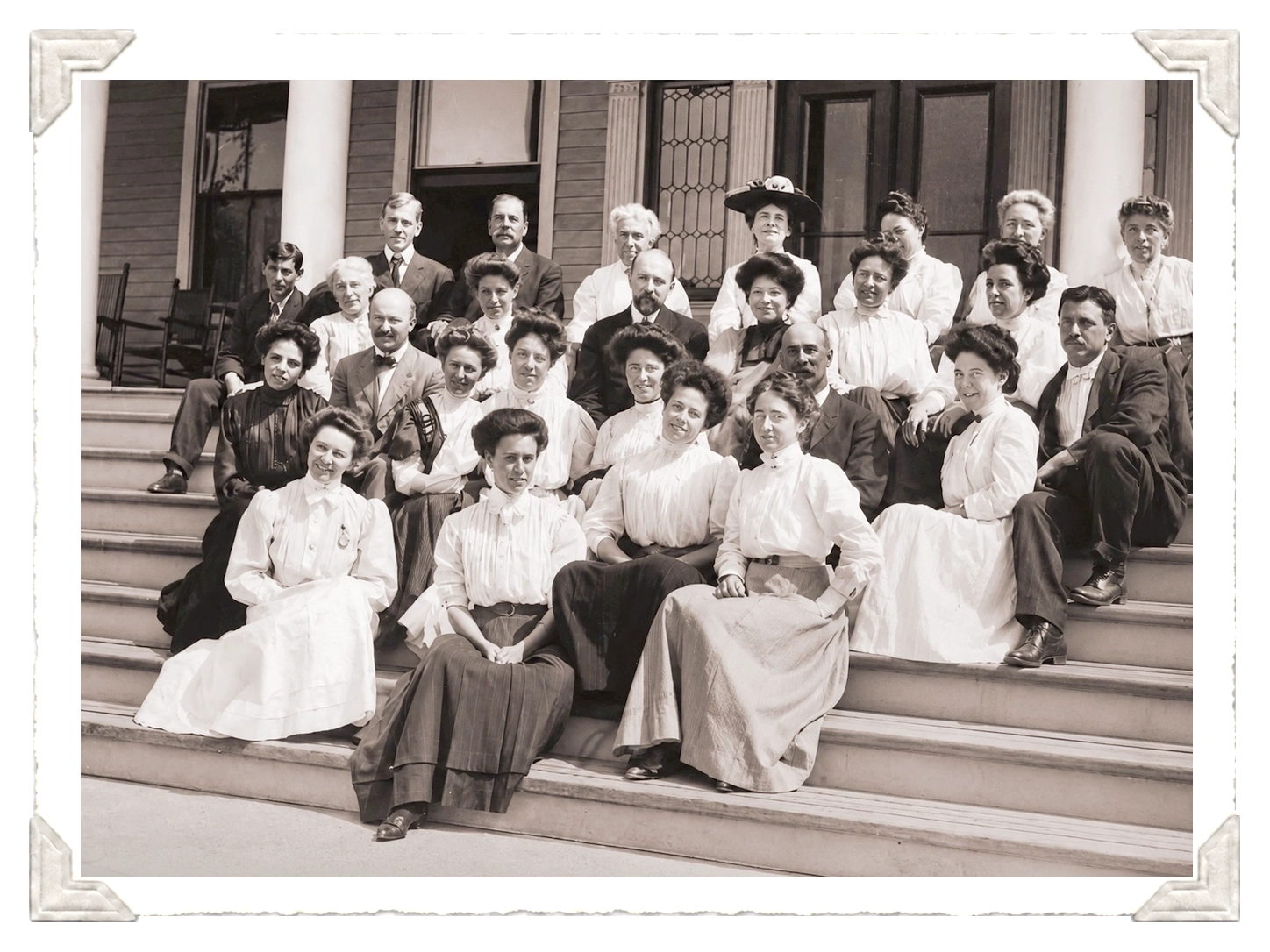
A new need emerged.
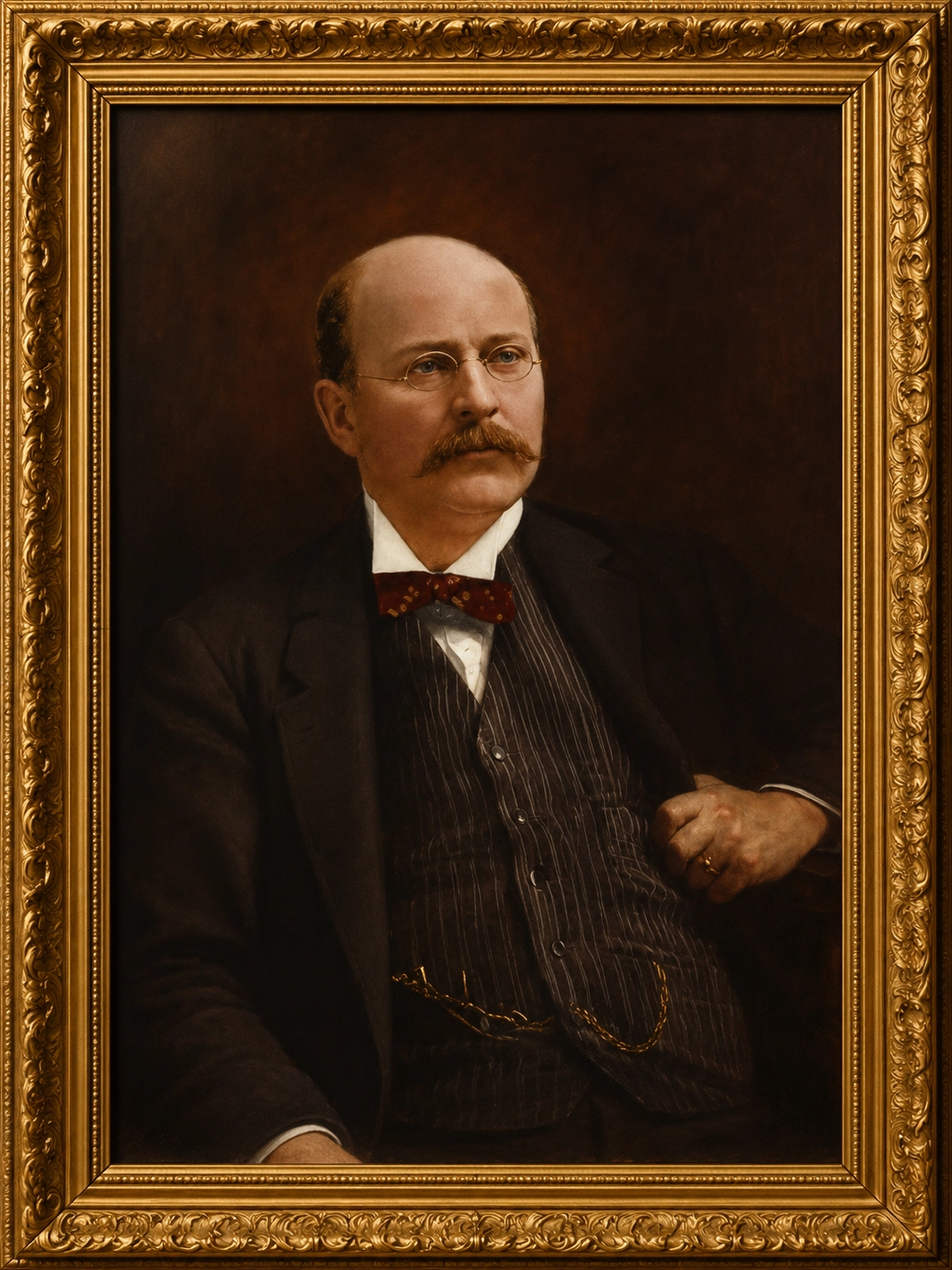
Dr. Edgar Day died in 1906. His nephew, George A. Day, became an employee of Idylease, helping oversee the transition as Dr. Daniel Edgar Drake assumed responsibility for the institution. George remained at Idylease, providing continuity as a new era began.
Early Idylease literature was explicit: “No Tubercular or Objectionable Cases.” Robert Koch’s identification of the tubercle bacillus in 1882 had helped establish tuberculosis as an infectious disease, distinct from the conditions treated through rest, fresh air, hydrotherapy, and the restorative culture of the health resort.
But Drake saw another need emerging—a generation of patients requiring months or years of supervised care. He gradually redirected Idylease, supported by a staff that included immigrant workers whose labor reflected another part of the American experience.
"The people Idylease had once refused became the people it was now prepared to care for. Under Drake, the mountain health resort evolved into one of the premier sanatoriums on the Eastern Seaboard for tuberculosis care."
Edison in the Highlands
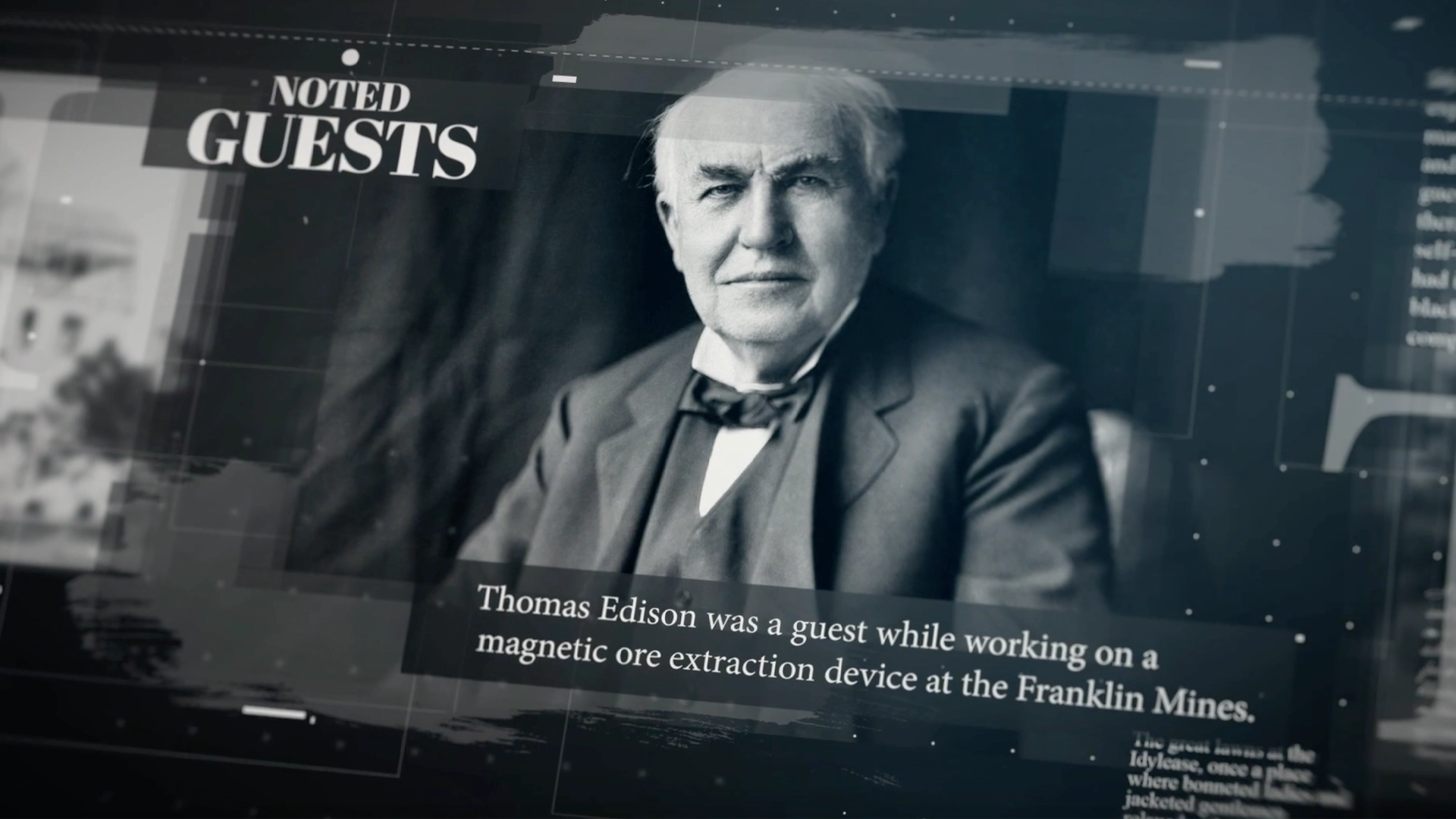
Thomas Edison at Idylease.
Early Twentieth Century
Thomas Edison had known Idylease for years, staying at the hilltop resort while his mining work brought him through the Franklin–Ogdensburg district. In 1928, that connection became part of the building itself as Idylease entered the electrical age, with Edison associated with the installation of wiring and a power plant for the estate.
Until then, Idylease had been illuminated by gas. Lamps lit by hand each evening gave way to switches and electric bulbs. The inventor who had once passed through the Highlands had become part of the story of the house on the hill.
Watch Idylease 20th Century History1954
From Sanatorium to Nursing Home
By the middle of the twentieth century, the tuberculosis era that had reshaped Idylease under Dr. Daniel Drake was drawing to a close. New treatments reduced the need for the long sanatorium stays that had defined an earlier generation of care.
Drake died in 1951, and for several years the former health resort and sanatorium stood without a clear future.
Then, in 1954, Dr. Arthur D. L. Zampella arrived. The building would remain a place of care, but its purpose was about to change again.
Watch Idylease History Video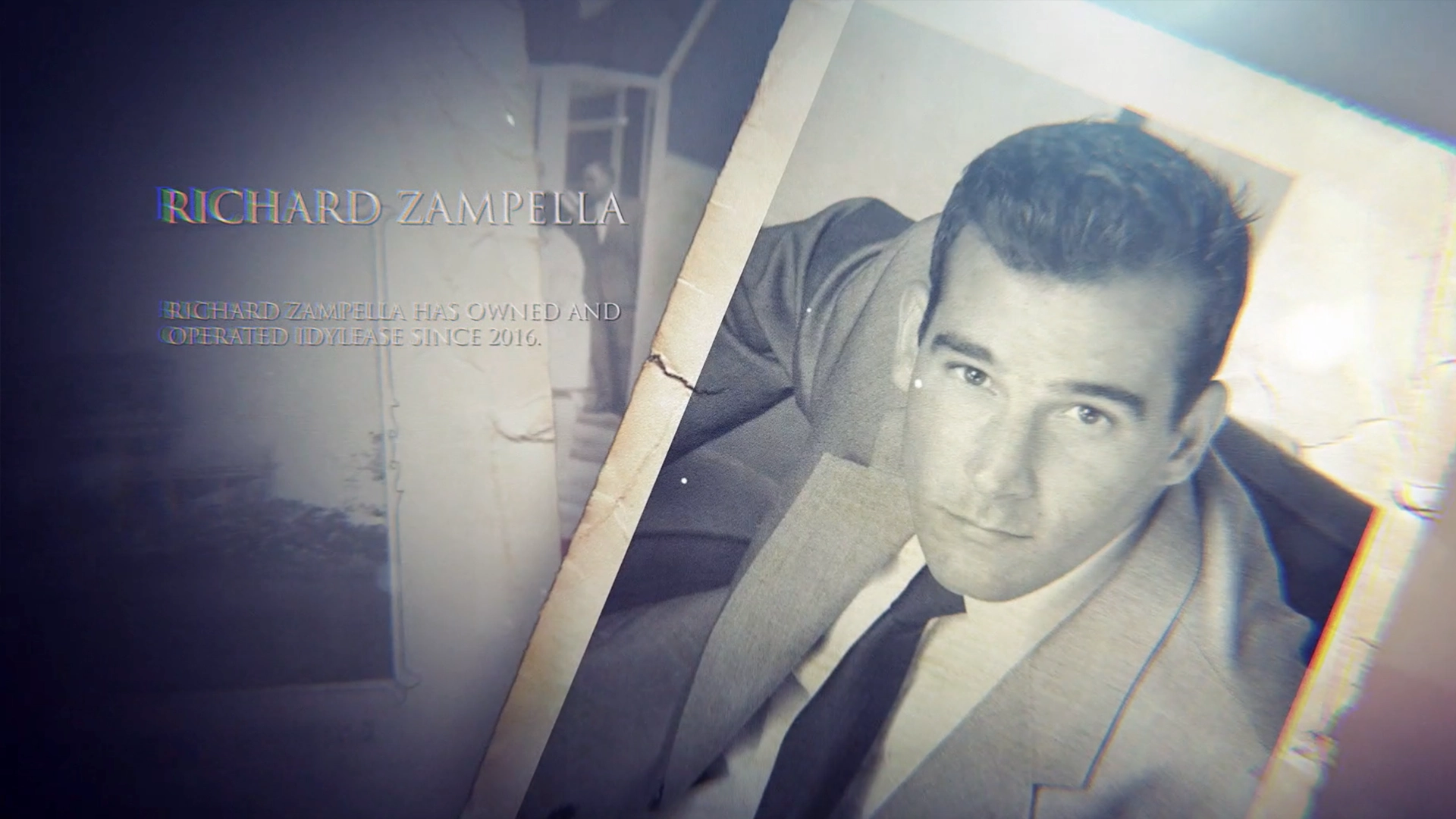
A Continuity of Care
Across more than half a century, Idylease passed through the stewardship of three physicians, each encountering the landmark in a different era and adapting it to a different human need.
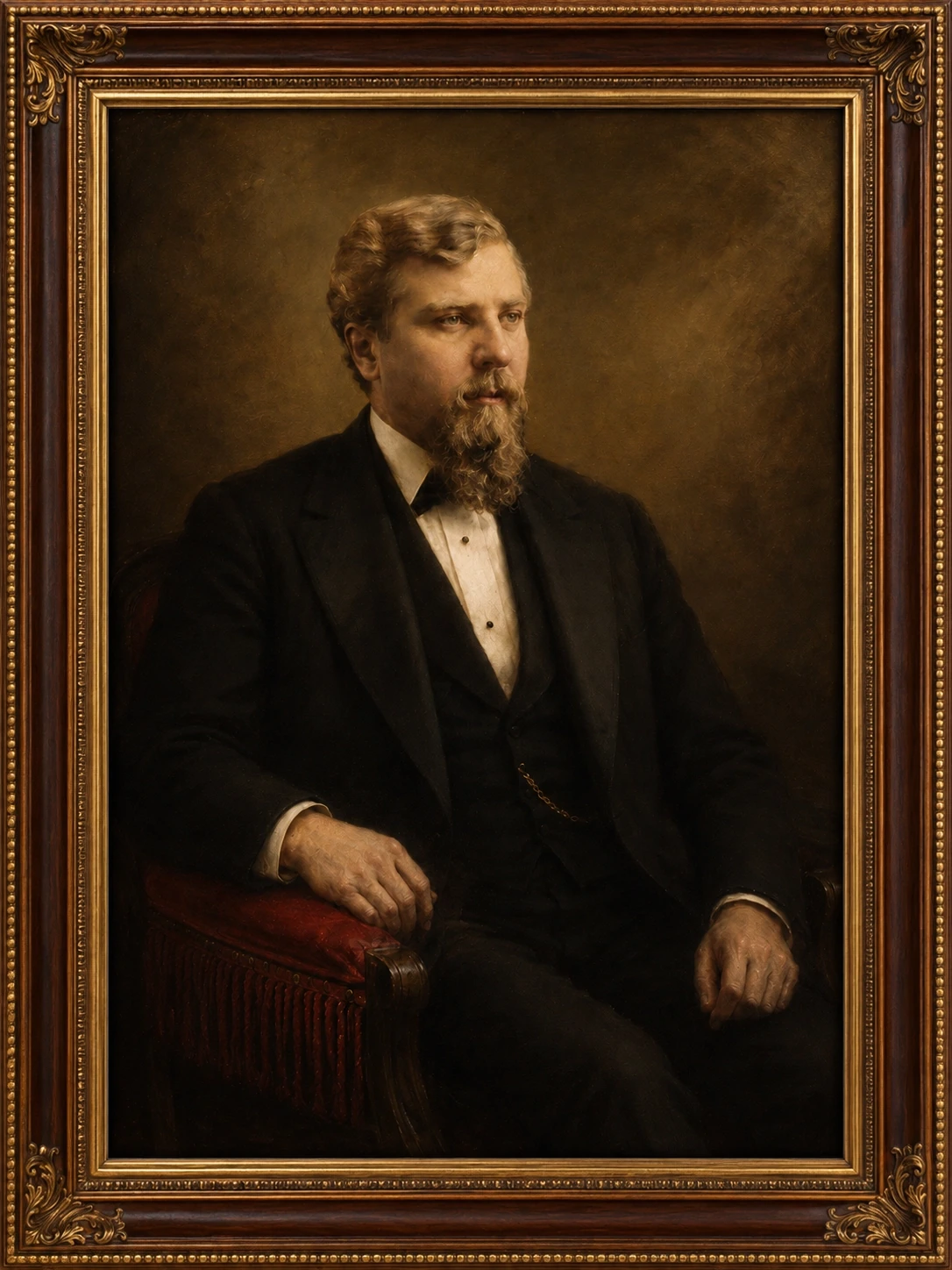
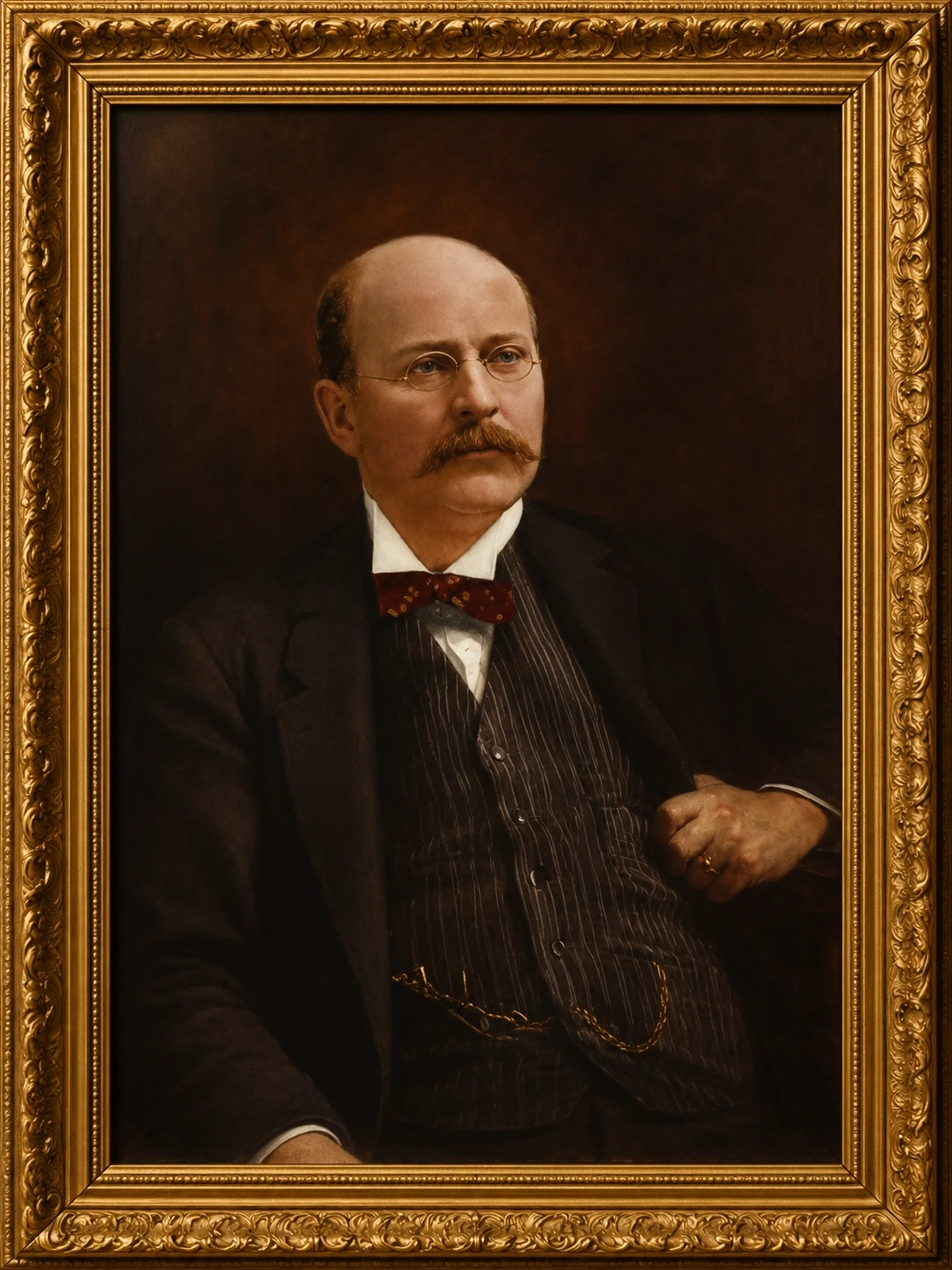
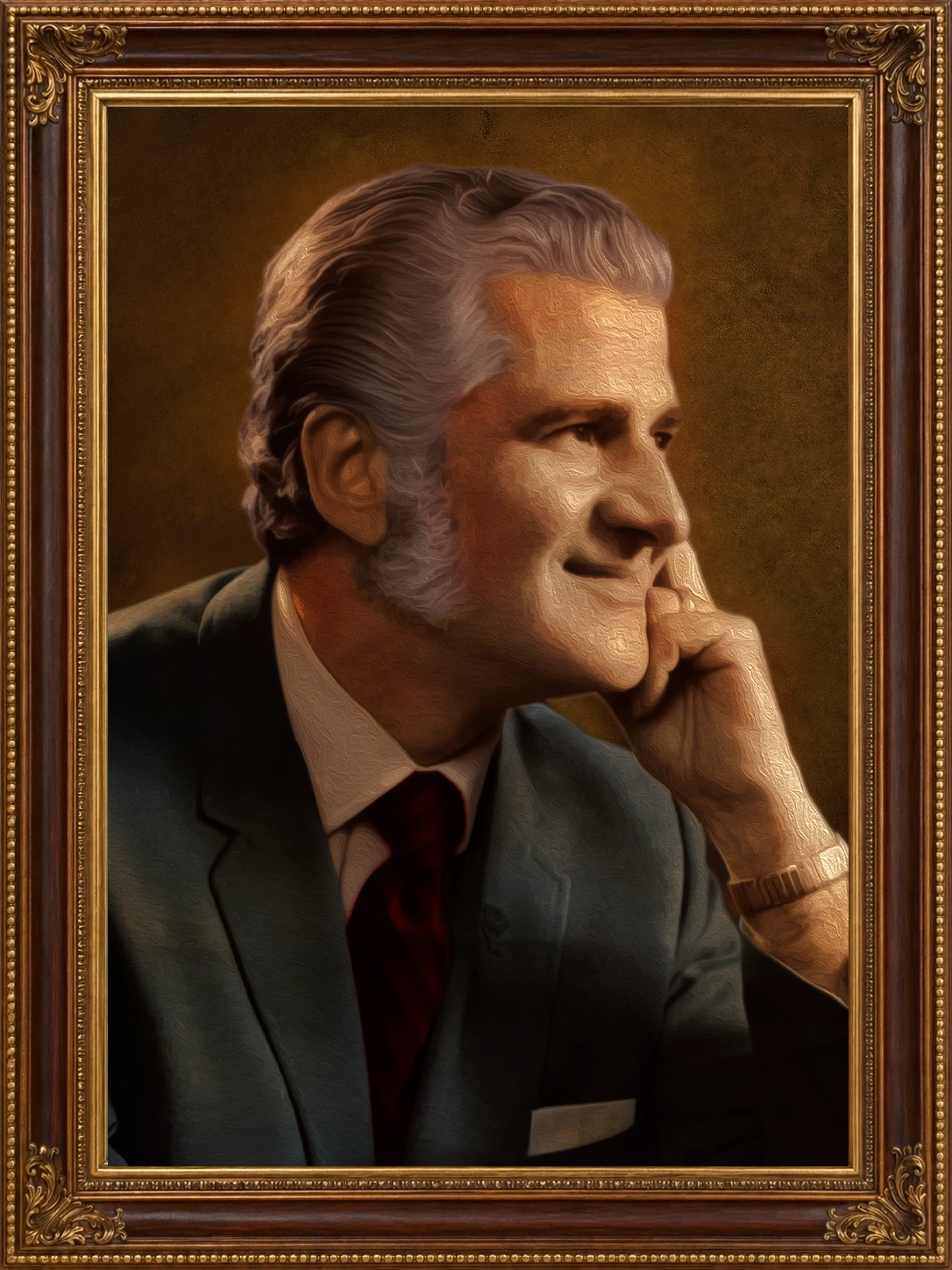
Dr. Edgar Arthur Day established the health resort. Dr. Daniel Edgar Drake guided it into extended medical care. In 1954, Dr. Arthur D. L. Zampella began the nursing and convalescent years.

1954
On a warm afternoon in the spring of 1954, a young physician from Jersey City drove north with a real-estate broker into the wooded hills of the New Jersey Highlands.
The property had been vacant for several years. Windows had been sealed, systems had failed through successive winters, and most people saw the building as a liability whose useful life had already ended.
But the young doctor did not see it that way.
Years later, my father told me that the feeling had not come gradually. It came all at once, when he stepped out of the car and stood for the first time in the shadow of Idylease.


A Different Idea of Care
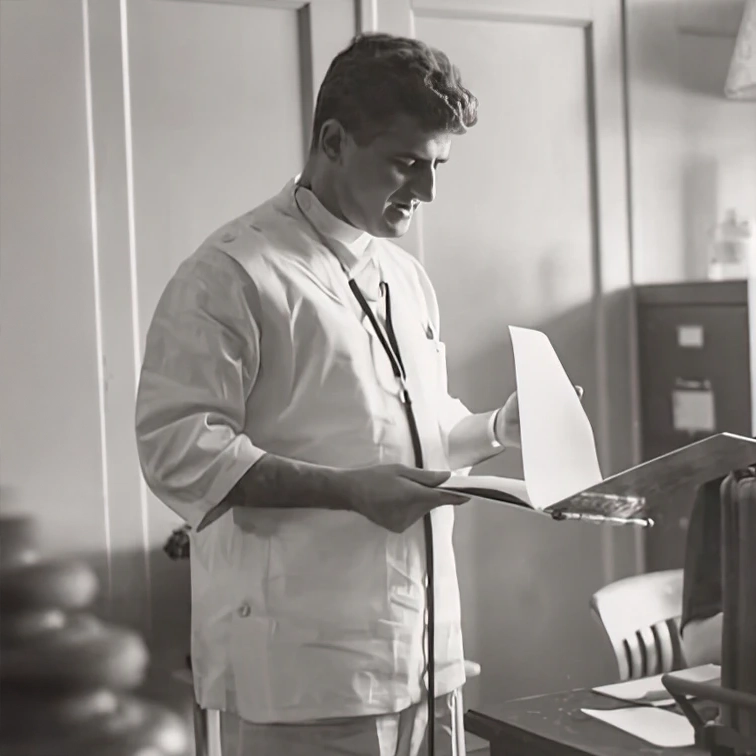
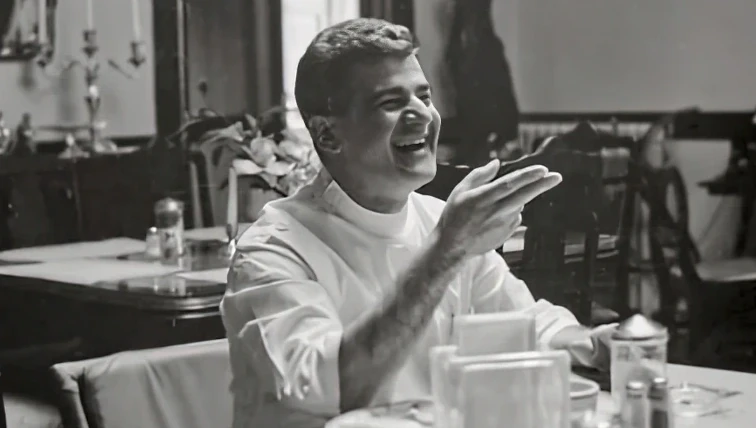
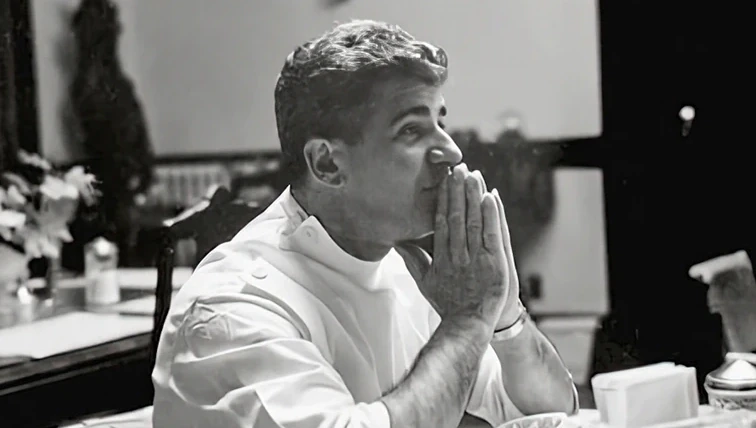
Dr. Arthur Zampella had graduated from the Boston University School of Medicine in 1943 and served as a medical officer in the United States Navy during the Second World War. His later work in bacteriology and nuclear medicine reflected the expanding boundaries of twentieth-century science.
Yet his deepest concern was increasingly directed toward aging: independence, privacy, familiar possessions, personal agency, companionship, and the quiet stability of belonging.
He imagined a setting in which assistance was available without becoming domination—where the facility adapted to the person rather than requiring the person to surrender thier identity to the surroundings.
From Principle to Practice
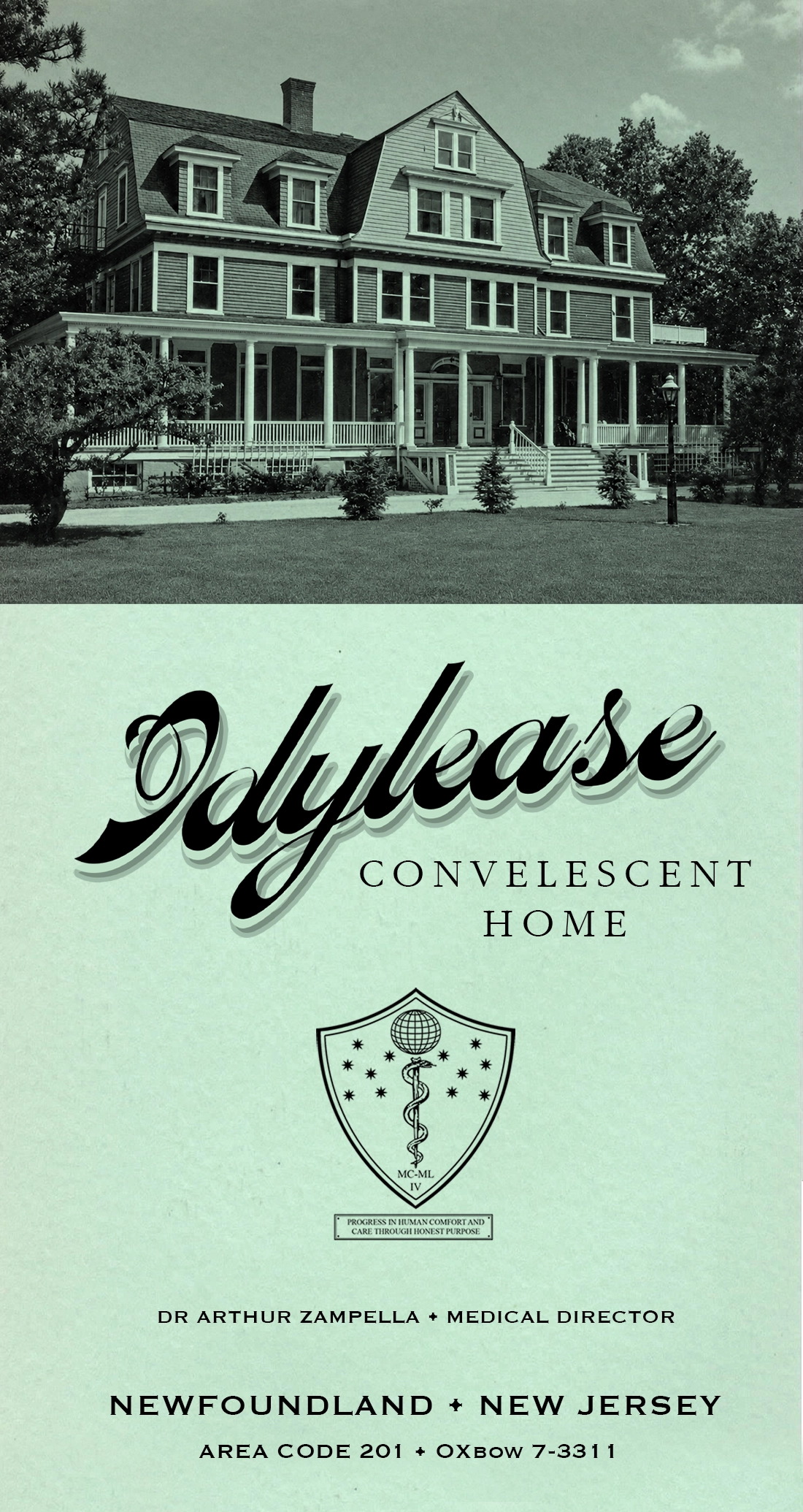
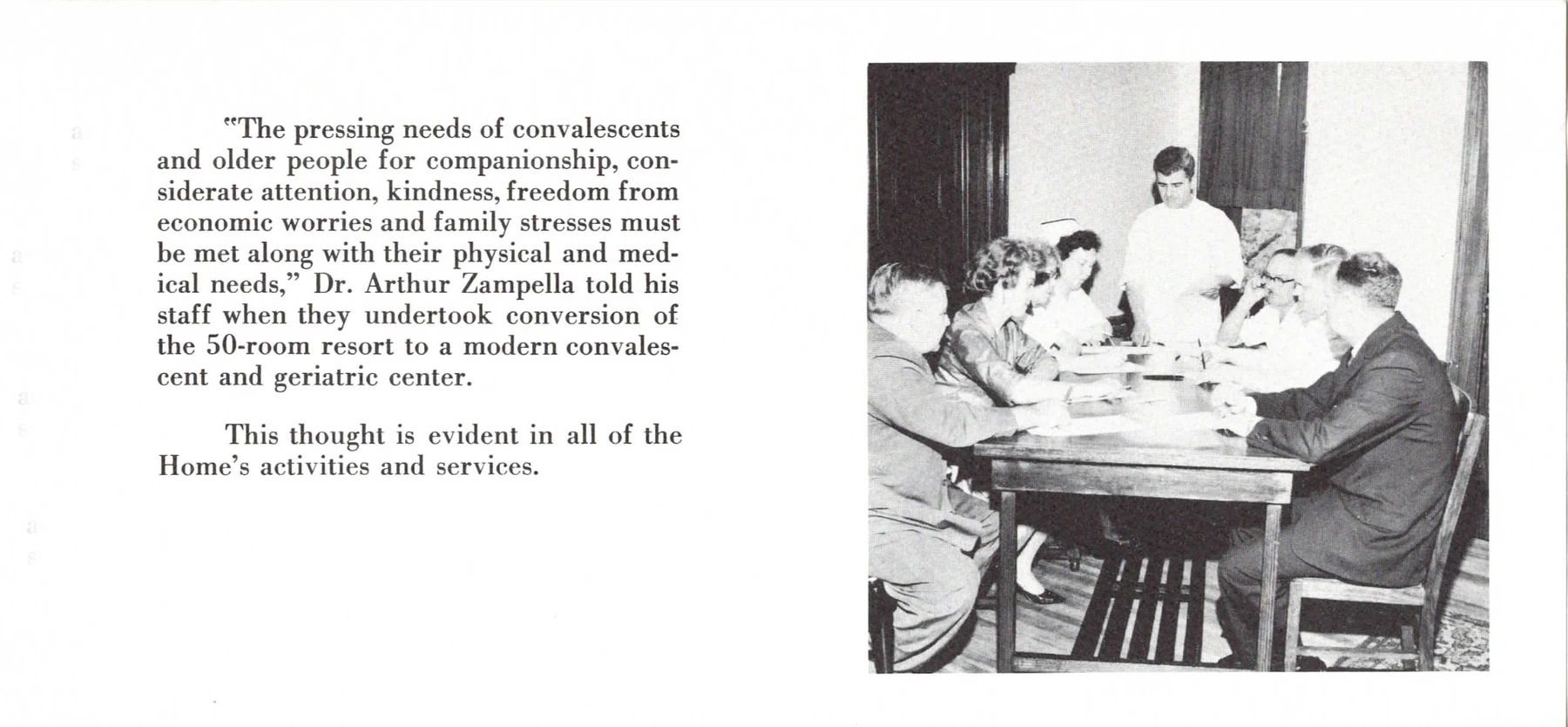
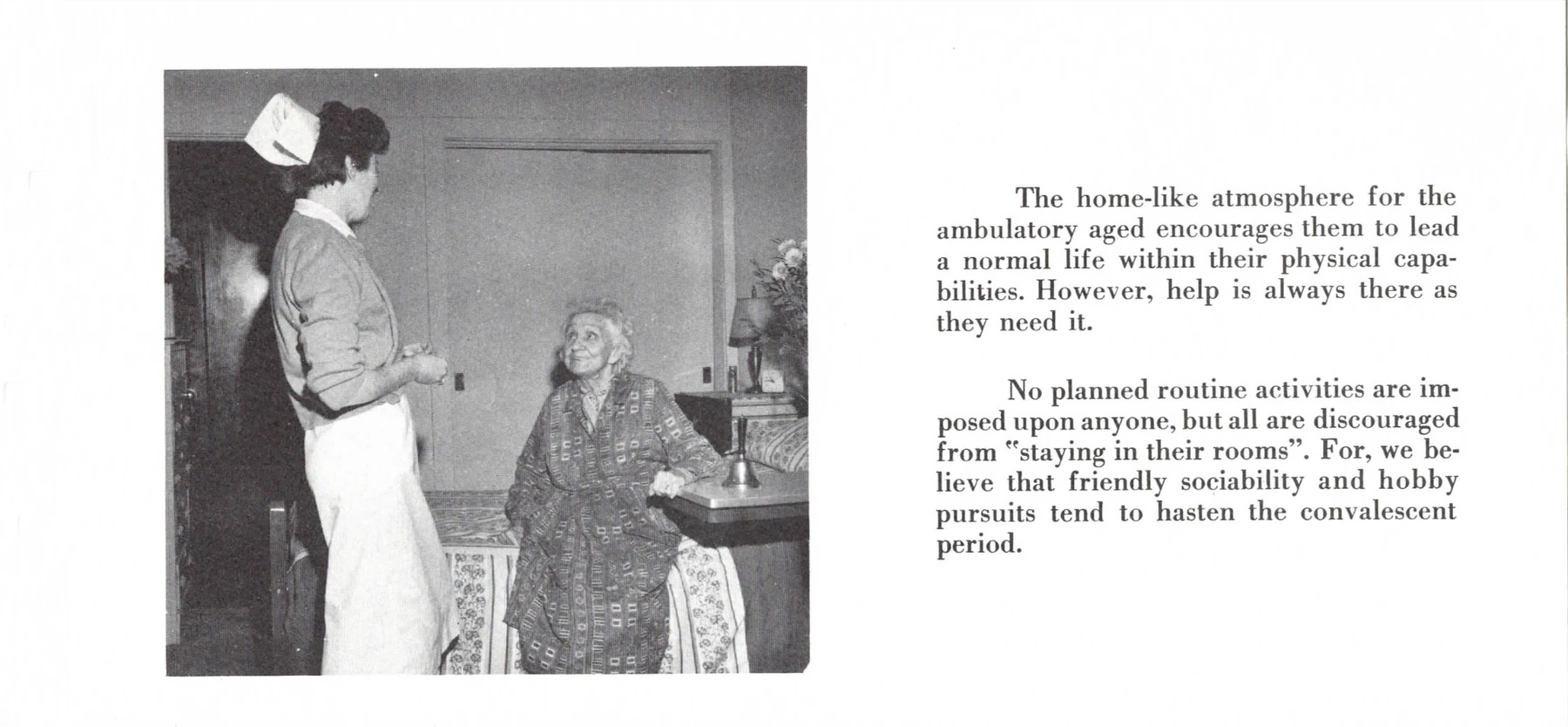
The original Idylease Convalescent Home brochure documented the institution that emerged from those ideas. It described a home-like atmosphere, medical care available when needed, and ordinary life preserved within each resident’s capabilities.
Its language was direct: companionship, considerate attention, kindness, and freedom from stress were to be met alongside physical and medical needs of the residents.
A Vision Made Possible
Lois Pemberton recognized the possibility in my father’s thinking and provided the financial support that allowed him to acquire Idylease in 1954. Without that faith, the moment might have passed and the building might have remained exactly as it was.
Architecture & Landmark Status
Rooted in architecture.
Preserved for the future.
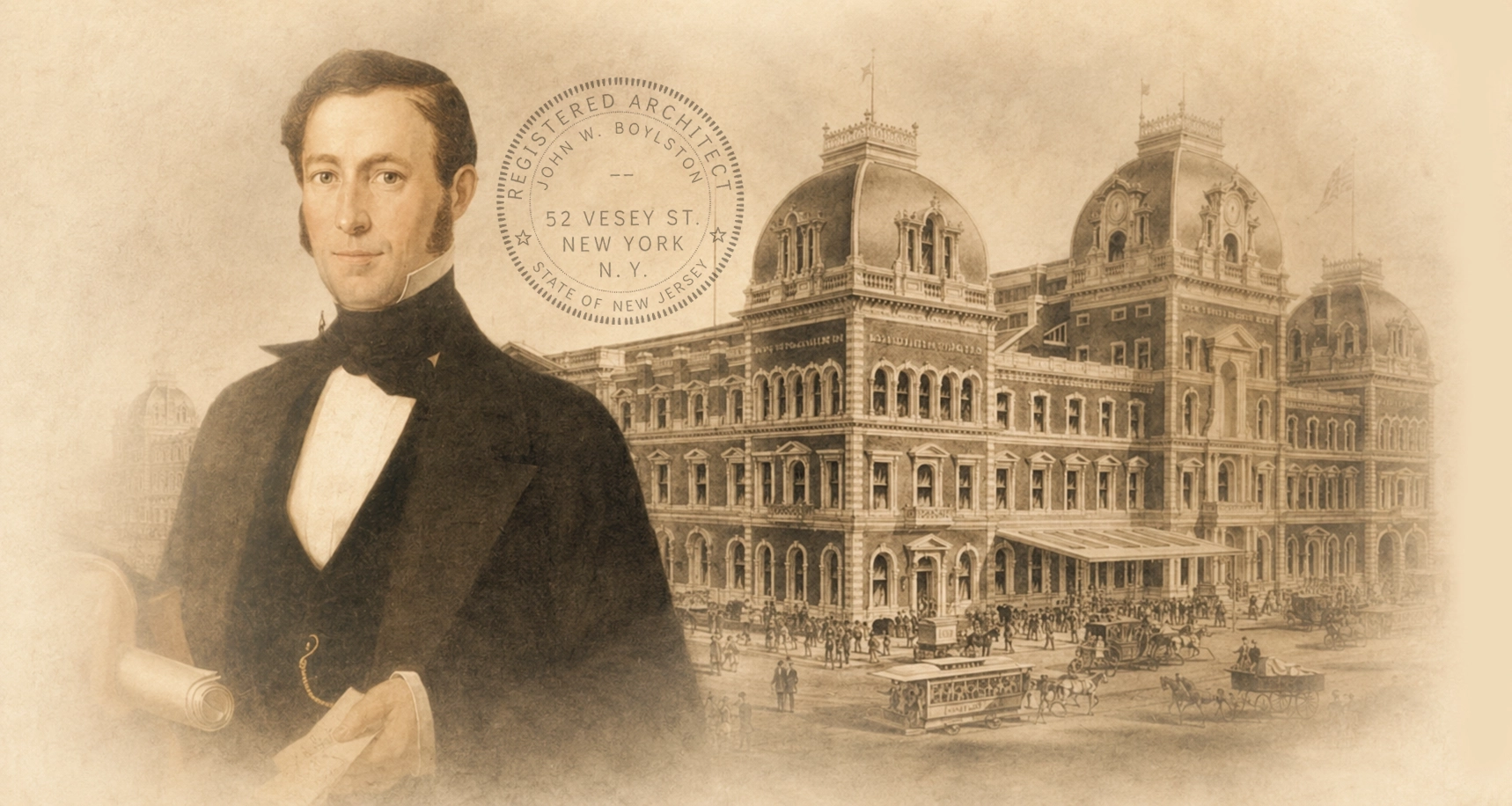
Idylease Inn was erected in 1902 as a resort hotel in Newfoundland, New Jersey. Designed by architect John W. Boylston, whose professional association with J. B. Snook Sons connected him to the architectural world of major nineteenth-century American hotels, commercial buildings, and transportation landmarks, Idylease brought that broader tradition into the New Jersey Highlands.
The building remains an architecturally and historically significant example of early twentieth-century resort architecture in northwestern New Jersey. Its scale, form, broad porches, and relationship to its hilltop setting continue to express the character of the original resort.
Architectural Lineage
John Butler Snook and the original Grand Central Depot. John W. Boylston, architect of Idylease, was connected to the Snook architectural tradition both professionally and personally: in 1879 he married Sara Antoinette Snook, daughter of John Butler Snook. That lineage connected the design of Idylease to a broader nineteenth-century world of American hotels, commercial buildings, and transportation architecture.
Architect of Idylease
John W. Boylston · Architect · 1852–1932
John W. Boylston is Interred at Valleau Cemetery in Ridgewood, New Jersey, his work remains more than a century later.
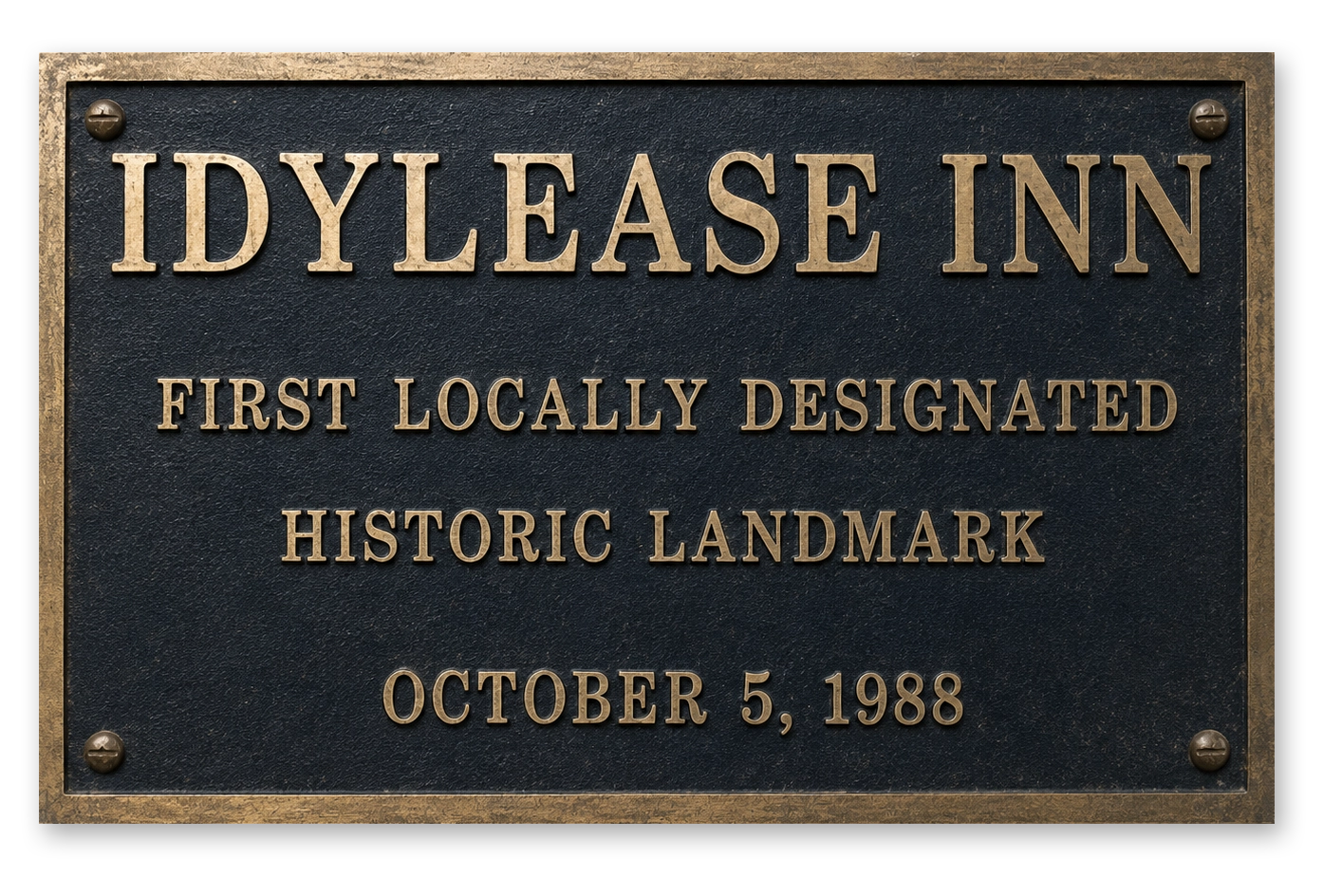
October 5, 1988
The West Milford Historic Preservation Commission designated Idylease Inn as the township’s first locally designated historic landmark, recognizing the former resort hotel as an architecturally and historically significant example of early twentieth-century resort architecture in northwestern New Jersey.
A Continuing Case for Significance
Richard Zampella has long maintained that Idylease’s architectural integrity, documented history, and unusual continuity support its eligibility for a Certification of Eligibility for listing in the New Jersey and National Registers of Historic Places. That position is grounded in the building’s 1988 local landmark designation and in the continuity of its architecture, setting, and documented use across more than a century.
Recognized as a landmark. Ongoing preservation for future generations.
The Legacy Continues
Richard Zampella, the son of Dr. Arthur Dante Louis Zampella, carries that legacy forward in a different form—through film, conservation, and the preservation of place.
The documentaries were written and directed by John Mulholland, with Richard Zampella serving as producer and editor. They were distributed by American Public Television and broadcast nationally on PBS stations. The films include Cooper & Hemingway: The True Gen, narrated by Sam Waterston and selected as a New York Times Critics’ Pick; Sergeant York: Of God & Country, narrated by Liam Neeson; a documentary on Elmore Leonard, narrated by Campbell Scott; and Inside High Noon, narrated by Matthew Rhys.
At Idylease, Richard Zampella manages the tree farm and airfield originally established by his father. For the last decade, he has continued the preservation of the historic property, its landscape, digital archives, photographs, and accumulated history.
The profession changed. The responsibility did not.

“The work is not simply to tell stories, but to carry them forward—so that what might otherwise be lost to time can still be seen, understood, and remembered.”




More Than a Century Later
Idylease has never remained unchanged. Its purpose has shifted with the people and the times around it—from health resort to sanatorium, from nursing and convalescent home to historic landmark and place of public memory. Each transition altered the life of the building without forgetting what came before.
What endured was something more fundamental. For more than a century, people came to this hilltop looking for something they believed might be found here: rest, recovery, dignity, community, opportunity, or simply a different way forward.
Continuity never relied on keeping Idylease frozen in time. It depended on recognizing what gives the place its enduring character and allowing each generation to meet its own needs without losing sight of what was entrusted to it.
The building adapted because the world around it changed—and because, at critical moments, someone was willing to imagine that it still had another life ahead of it.
Sometimes a place is remembered by simply remaining.