Public Figures & Writers
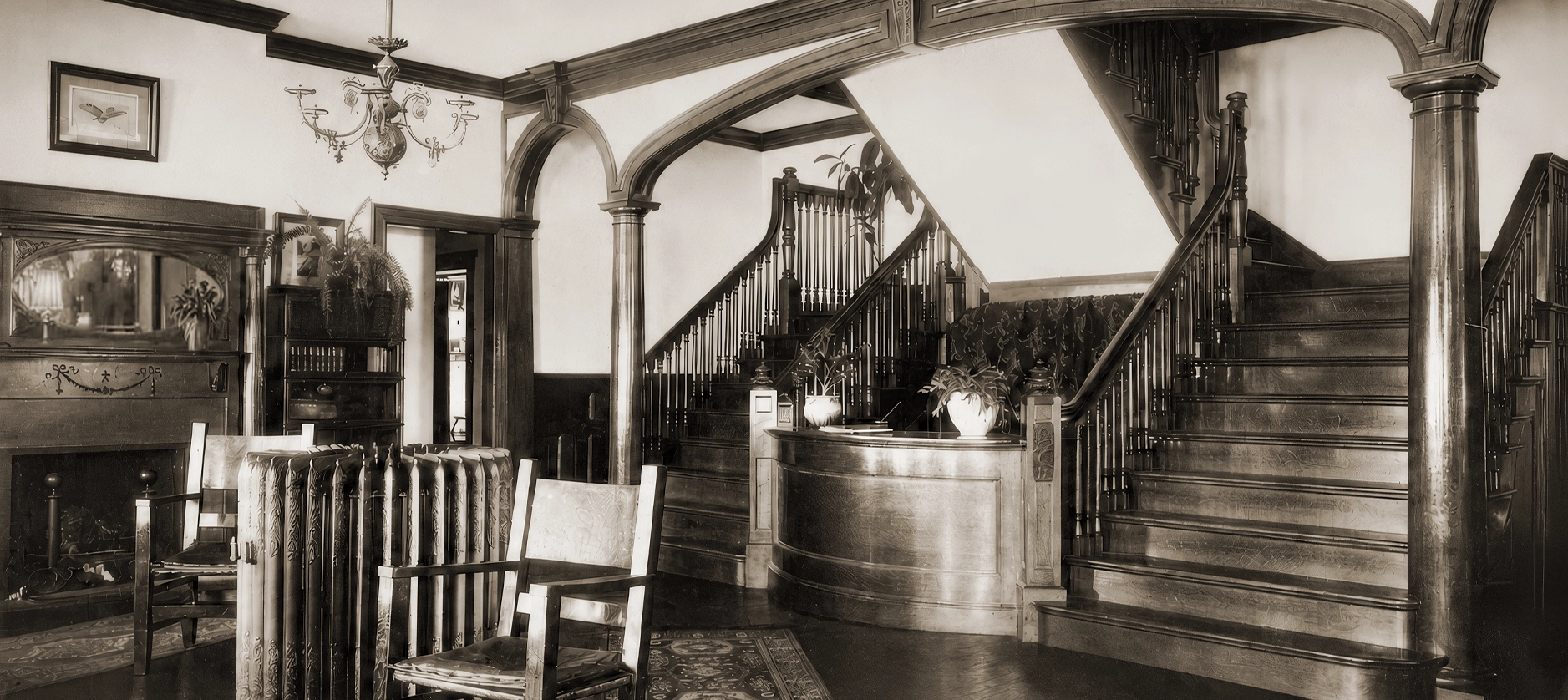
Not every guest connected to Idylease left behind a long story, but the register and local accounts place the hotel within a wider public world of politics, education, journalism, and American civic life.
Mary Teresa Norton
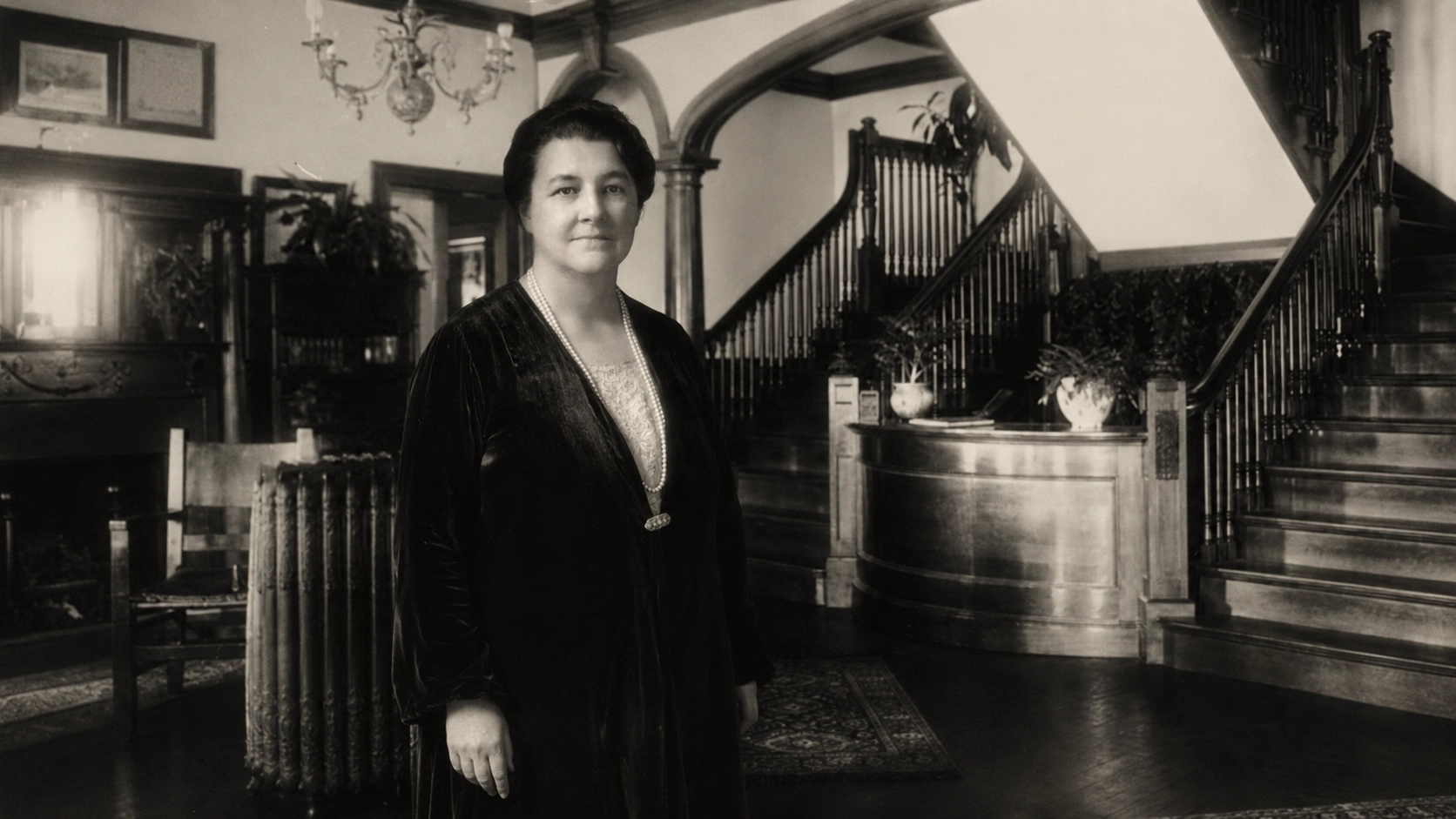
Mary Teresa Norton (1875–1959) was the sixth woman elected to the United States Congress, the first woman from an Eastern state, and the first Democratic woman to serve in Congress. Representing New Jersey, she served thirteen consecutive terms in the House of Representatives from 1925 to 1951 and chaired four committees.
Remembered as a labor advocate and supporter of women’s rights, Norton was a regular guest at Idylease during the late 1920s, connecting the hotel to one of New Jersey’s most consequential public figures of the period.
Joseph French Johnson
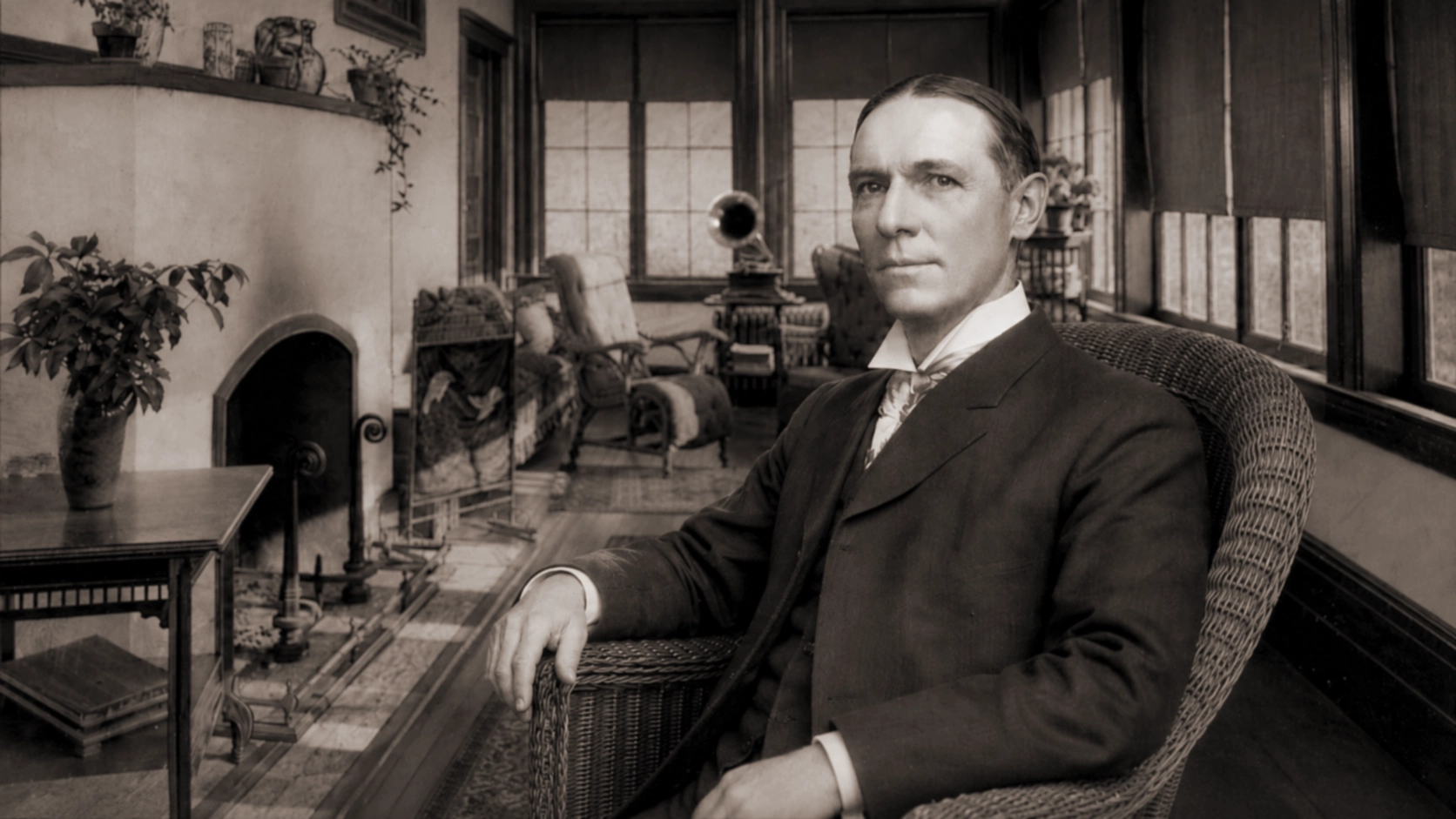
Joseph French Johnson (1853–1925) was an economist, journalist, professor, and academic leader. He served as Dean of the School of Commerce, Accounts and Finance at New York University and later became the founding Dean of the Alexander Hamilton Institute in 1909.
He was also the author of the widely known 1900 essay “The Price of Success”.
In 1915, his arguments for discouraging large families and restraining population growth drew a sharp response from Theodore Roosevelt, who described Johnson’s position as “infamous” and condemned it as a form of “race destruction.”
The exchange placed Johnson directly against Roosevelt’s long-held warnings about “race suicide,” revealing the intensity of contemporary debates over population, marriage, and national responsibility. Johnson spent his final days at Idylease in 1925, linking the hotel to a figure associated with scholarship, public thought, and education.
William B. Hanna
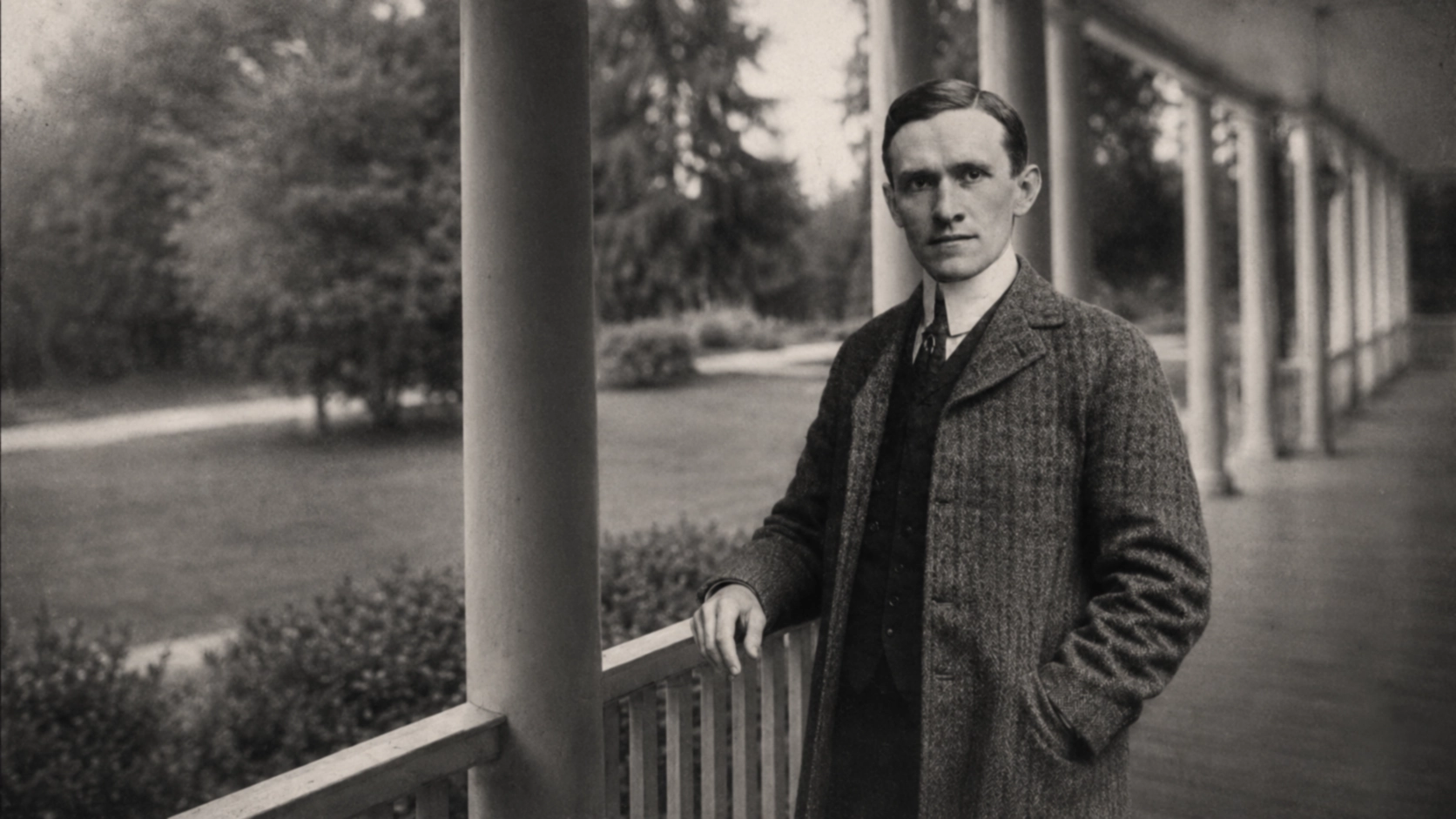
William B. Hanna (1866–1930) was among the most respected sportswriters of his era. Raised in Kansas City, he began his career with the Kansas City Star before moving to New York in 1892 and joining the New York Herald. Over the following decades he also wrote for the New York Press, The Sun, and the New York Herald Tribune.
Known especially for his writing on baseball and football, Hanna brought a precise, restrained style to sports journalism. Contemporary accounts described him as one of the country’s best-informed sportswriters, whose judgment on technical matters was widely respected.
In May 1930, while covering an Army–Dartmouth baseball game at West Point, Hanna suffered a stroke on the sidelines. After three weeks in the West Point hospital, he recovered sufficiently to be transferred, at his own request, to Idylease Sanitarium in Newfoundland, where he wished to be near his brother. He died at Idylease on November 20, 1930.
Shortly after his death, Hanna became the first recipient of the Slocum Award, recognizing long and meritorious service to baseball.